In short
Learning games for 7th and 8th grade need content that reaches these grades: two-step equations, angles and the Pythagorean theorem, forces and motion, cells, plate tectonics and the Bill of Rights. Eighteen Genius Arcade games have such levels, and four go past grade 8 for students who are ahead. All are free in a browser.
Key facts
- In the Common Core, seventh graders solve equations of the form px + q = r and p(x + q) = r fluently (7.EE.B.4a). Source: Common Core: Grade 7 Expressions and Equations (7.EE.B.4a)
- Eighth graders apply the Pythagorean theorem to find unknown side lengths (8.G.B.7). Source: Common Core: Grade 8 Geometry (8.G.B.7, Pythagorean theorem)
- The Next Generation Science Standards treat grades 6 to 8 as one middle school band. Source: NGSS home (middle school listed as grades 6-8)
- The NGSS middle school band includes evidence that the change in an object's motion depends on the forces on it and its mass (MS-PS2-2). Source: NGSS MS-PS2-2: change in motion depends on forces and mass
- Article I of the U.S. Constitution says Congress consists of a Senate and a House of Representatives. Source: National Archives: The Constitution of the United States, a transcription (Article I)
Seventh and eighth graders can tell when a game was made for younger kids, so this page only lists levels whose content reaches these grades. In the Common Core math standards, grade 7 centers on proportional relationships, operations with negative numbers and fractions, linear equations, and geometry with scale drawings, area and volume. Grade 8 centers on linear equations and systems of equations, functions, and the Pythagorean theorem.
In science, the Next Generation Science Standards (NGSS) treat grades 6 to 8 as one middle school band, so the order of topics depends on the school. Cells and body systems, atoms, forces and motion, the Moon, and plate tectonics all appear in that band, and each has a game here.
Four of these games keep going past grade 8: Balance Bridge and the Sky Atlas flags level reach grade 9, and Element Dash and Launch Lab reach grade 10, so a student who is ahead won't run out of room.
The games
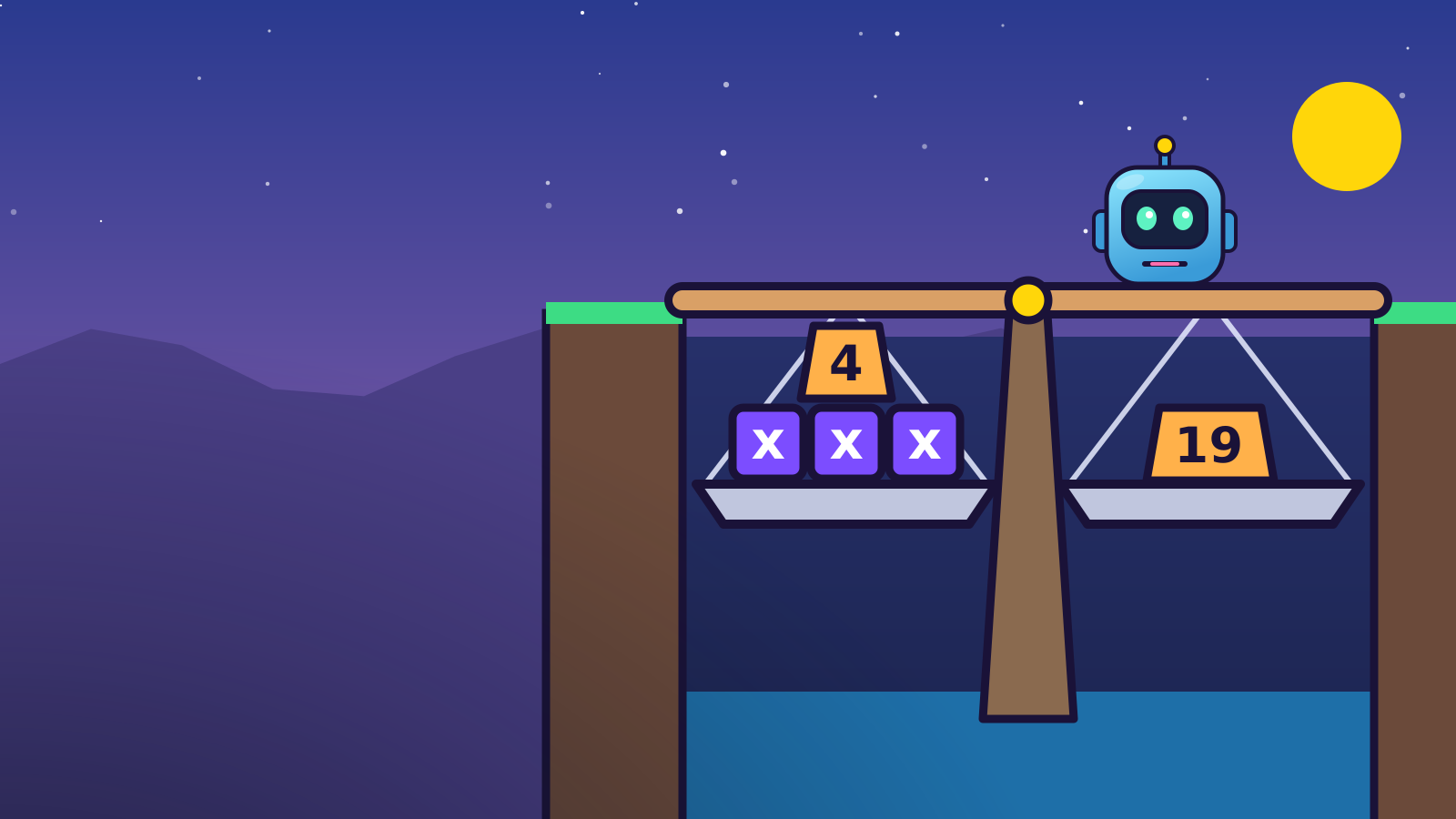
Balance Bridge · Grades 6–9
Level 2 is two-step equations like 3x + 5 = 20 and 2(x + 4) = 18, the grade 7 forms px + q = r and p(x + q) = r. Level 3 puts boxes on both sides with brackets and like terms, a grade 8 skill.
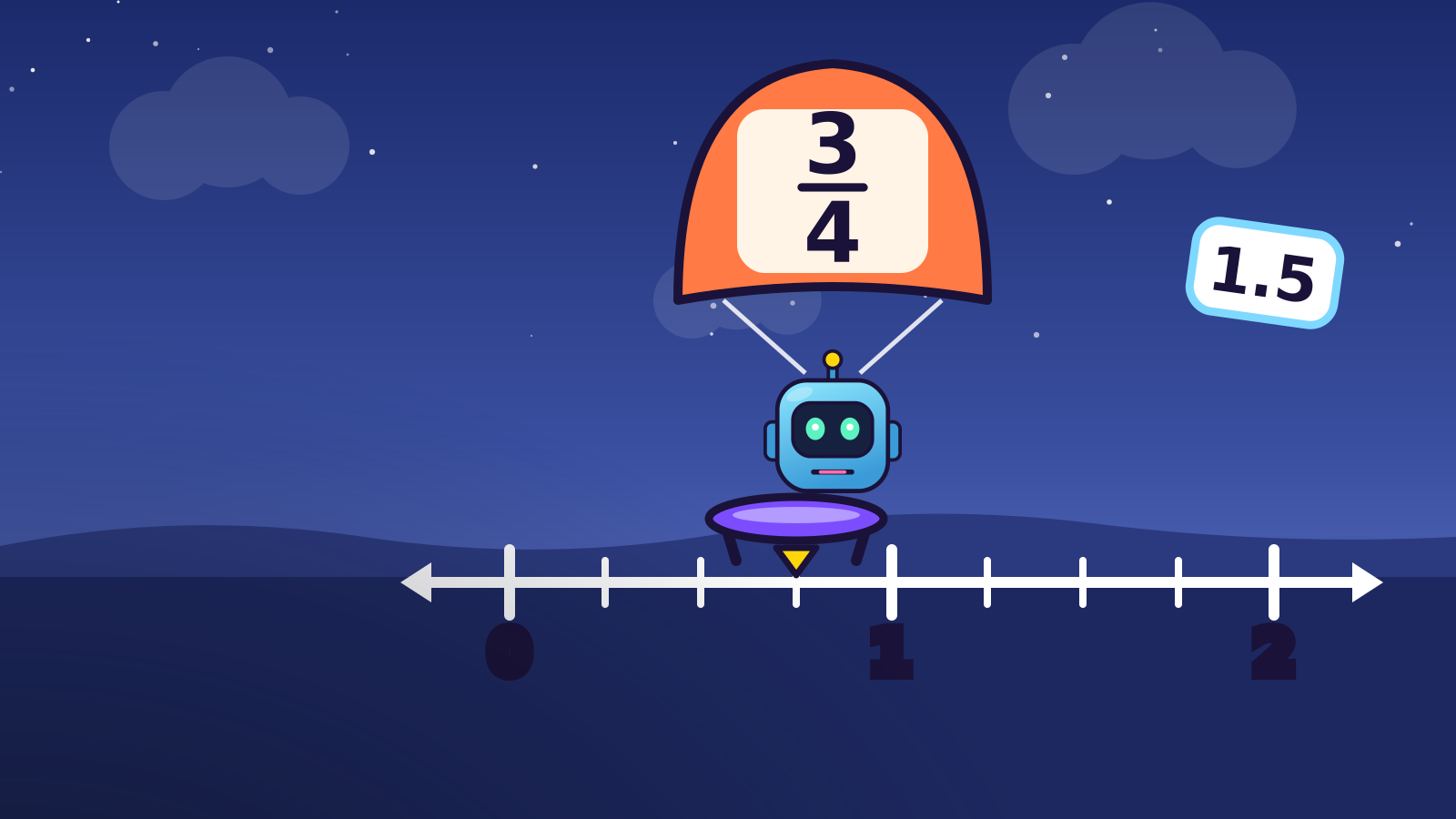
Play level 2 of Balance BridgeNumber Line Bounce · Grades 3–7
Level 3 places negative numbers, opposites and absolute values on the number line, a quick check before grade 7 work with operations on negative numbers.
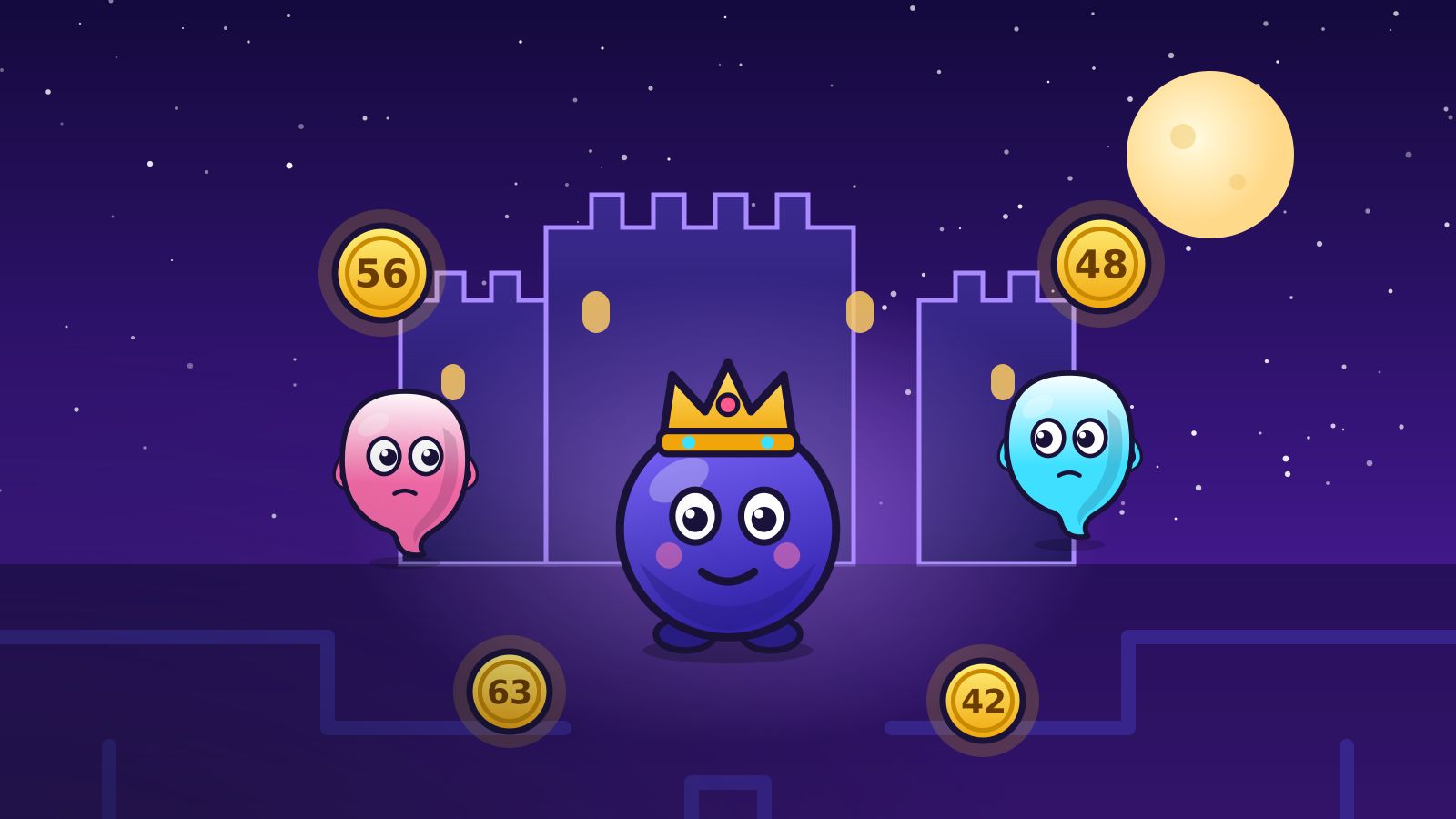
Play level 3 of Number Line BounceMath-Man's Castle · Grades 3–8
Level 5 (grade 7) adds and subtracts negative numbers, using numbers from 1 to 10, like −8 + 3, −7 − 5 and 4 − (−9). Level 6 (grade 8) has square roots from √4 to √225, cube roots like ∛64, and the exponent rules, like 2³ × 2² = 2⁵.
Play level 5 of Math-Man's CastleShape Breaker · Grades 4–8
Level 2 finds missing angles on a straight line, inside a right angle and around a point. Level 3 has the area of triangles, volume of boxes, circles and the Pythagorean theorem.
Play level 2 of Shape BreakerType Rocket · Grades 3–8
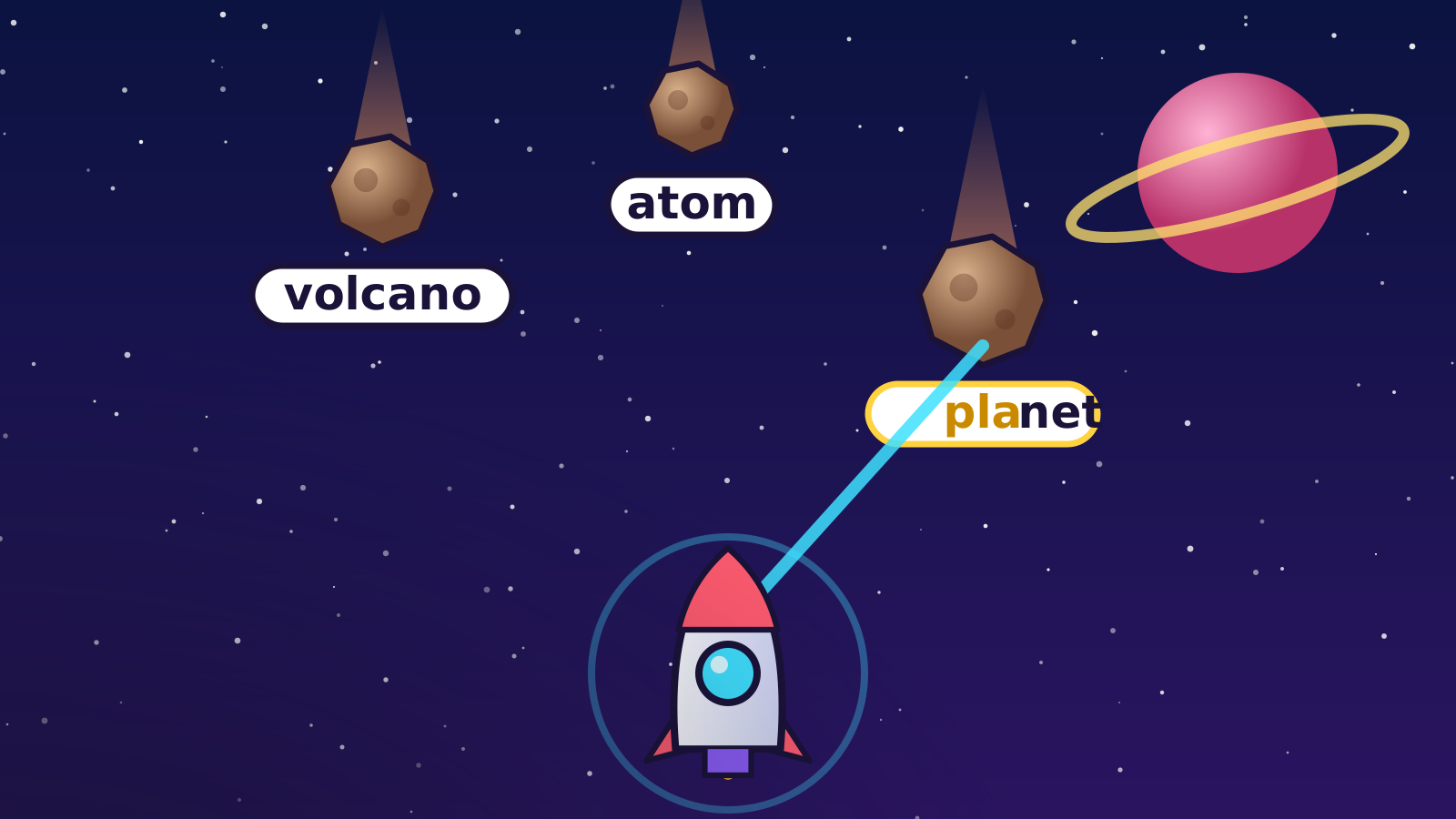
Level 3 is long subject words such as photosynthesis, precipitation and denominator, with each meaning shown after the word is typed.
Play level 3 of Type RocketCell Builder · Grades 6–8
Level 1 builds plant and animal cells part by part, level 2 sorts plant, animal and bacterial cells, and level 3 matches organs to body systems such as the circulatory and respiratory systems.
Play level 1 of Cell BuilderElement Dash · Grades 5–10
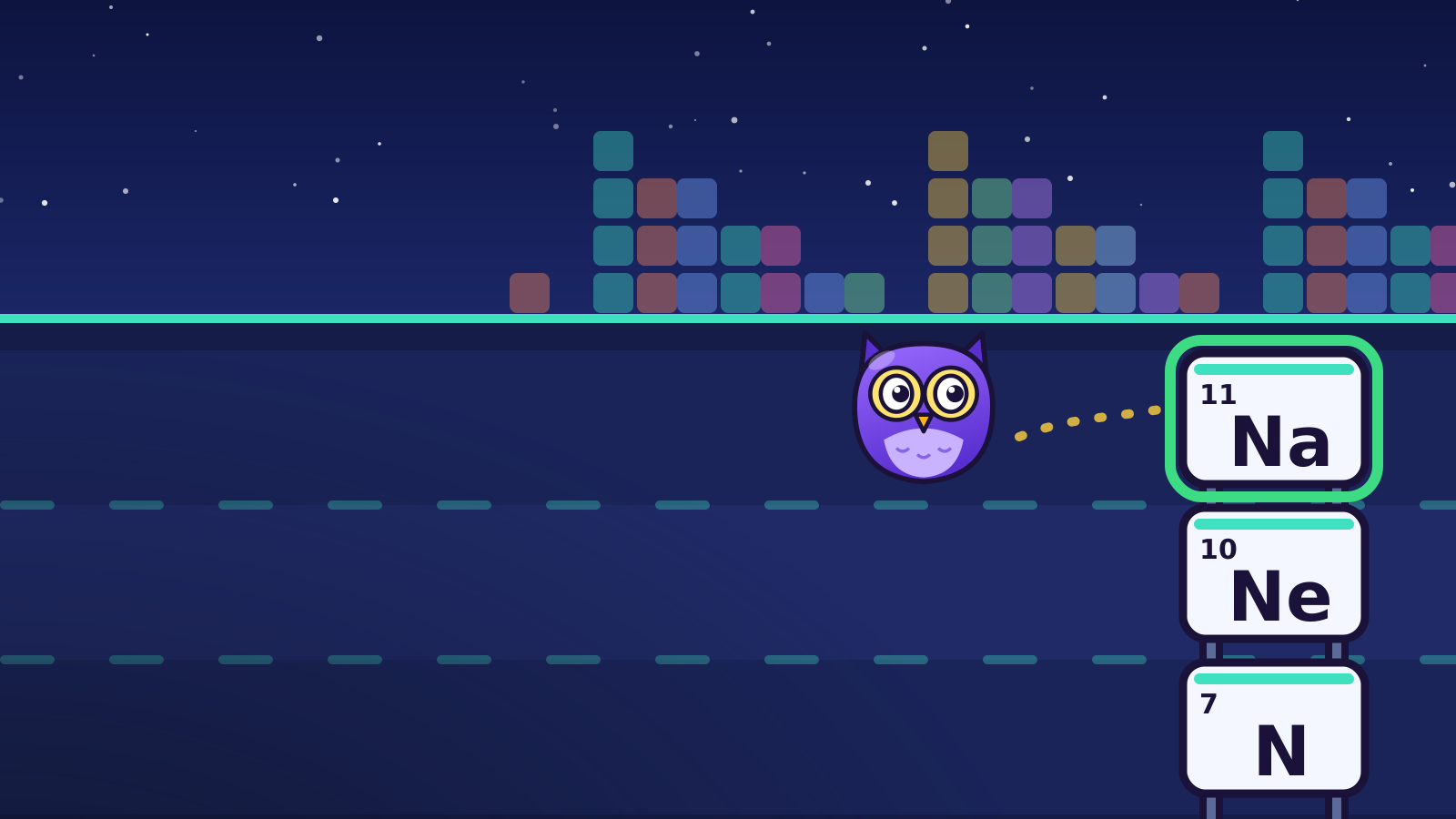
Level 3 is the names and symbols of the first 20 elements. Level 4 adds atomic numbers and old symbols like Fe for iron, and level 5 is element families.
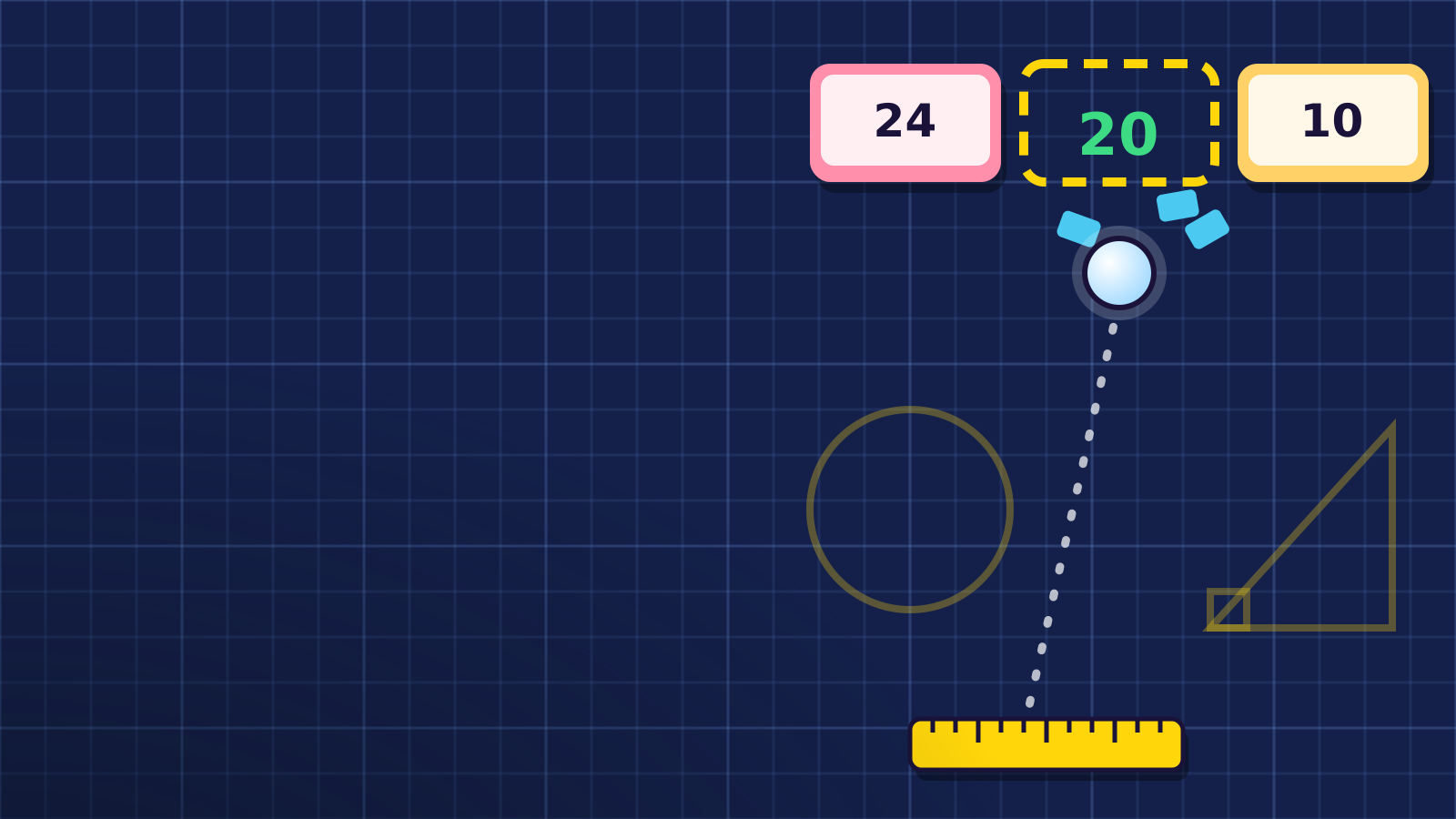
Play level 3 of Element DashLaunch Lab · Grades 5–10
Level 2 is Newton's three laws and energy: which law says F = m × a, and which says forces come in equal and opposite pairs. You answer by setting the launcher's angle and power.
Play level 2 of Launch LabCircuit Sprint · Grades 3–8
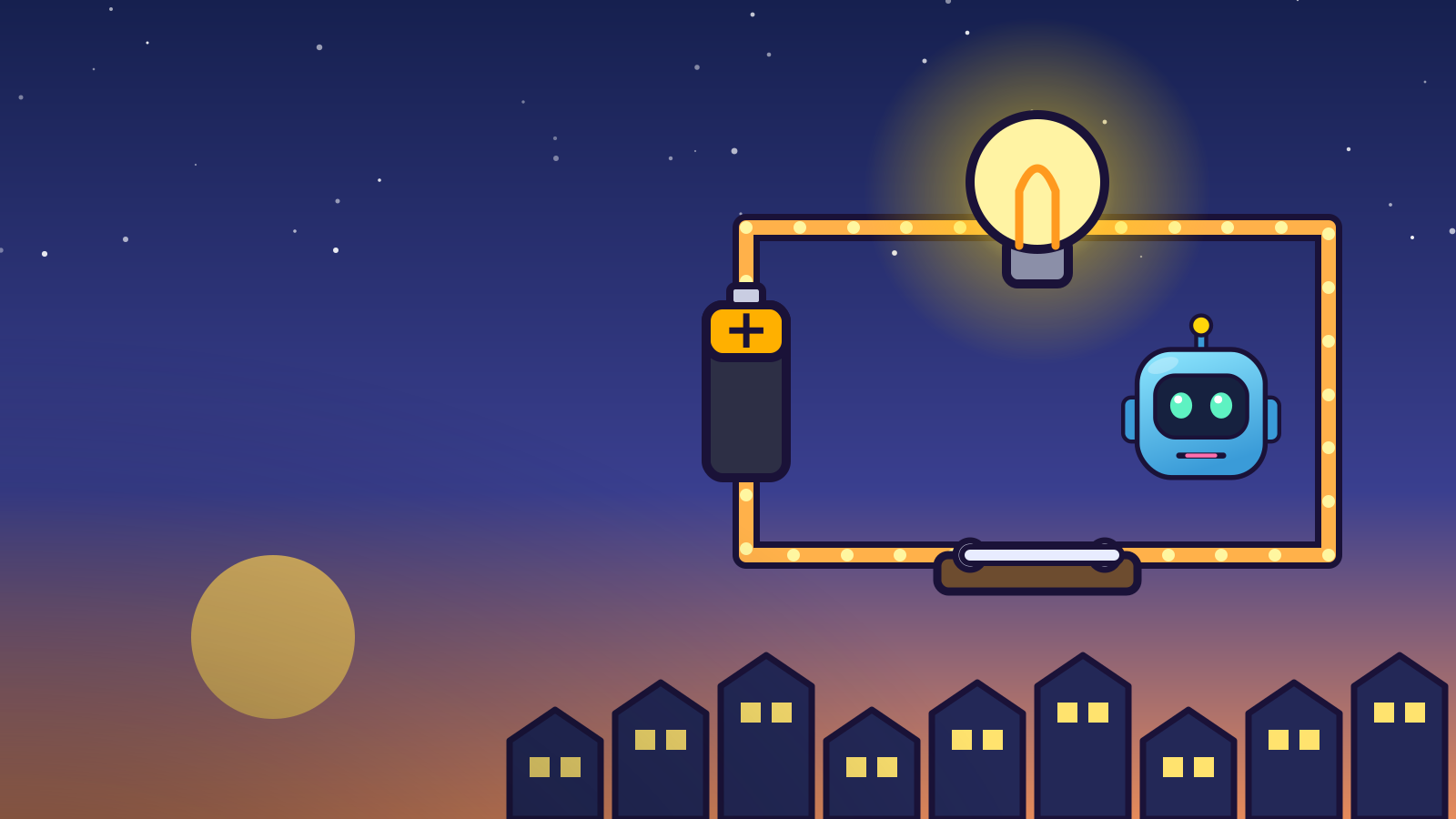
Level 2 is series and parallel circuits, and level 3 is fixing broken circuits and spotting a short circuit.
Play level 2 of Circuit SprintPlanet Hop · Grades 4–8
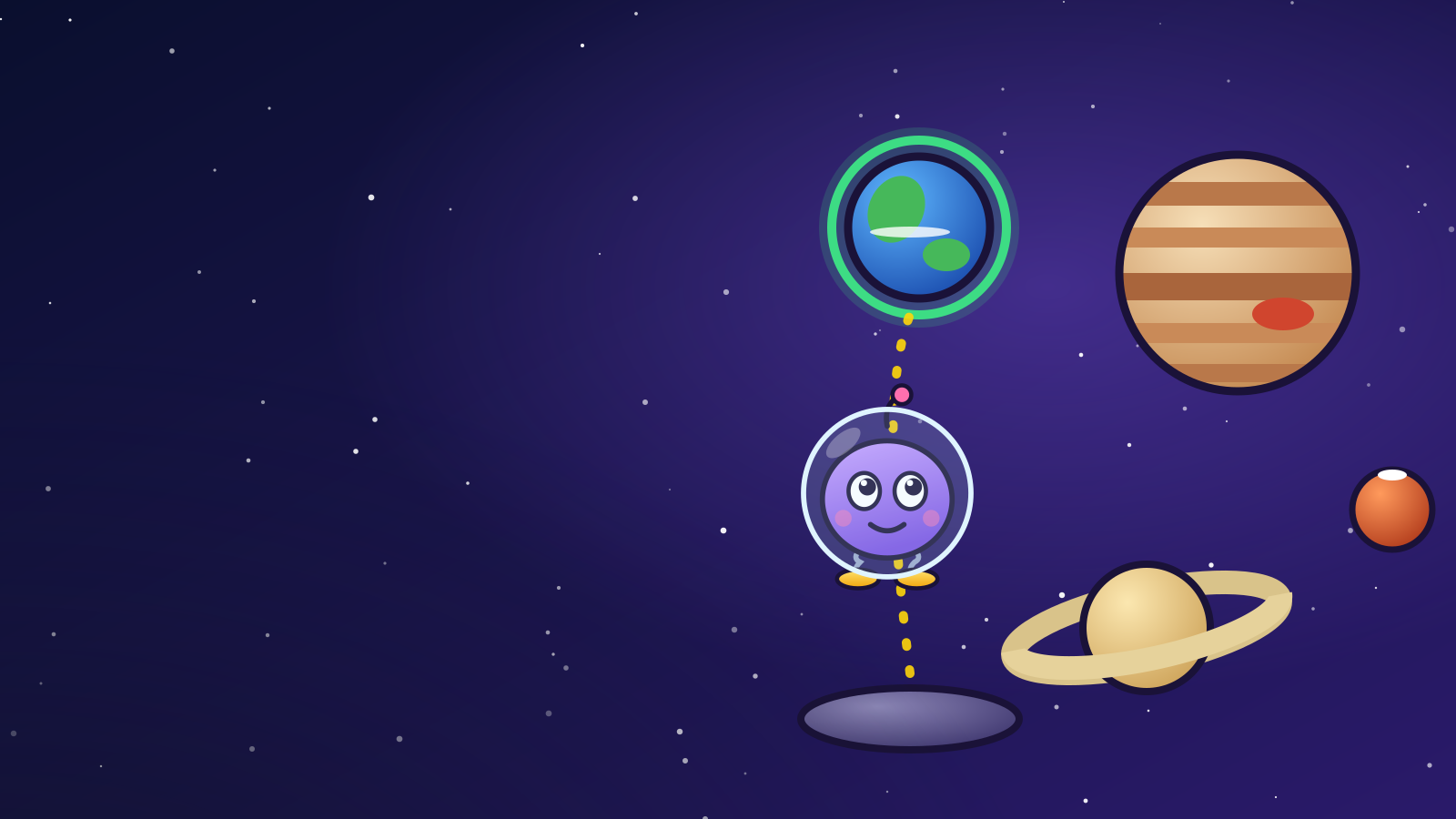
Level 2 is the phases of the Moon, from new Moon to waxing crescent and first quarter. Level 3 is the layers of the Earth and of the atmosphere.
Play level 2 of Planet HopRock Stack · Grades 4–8
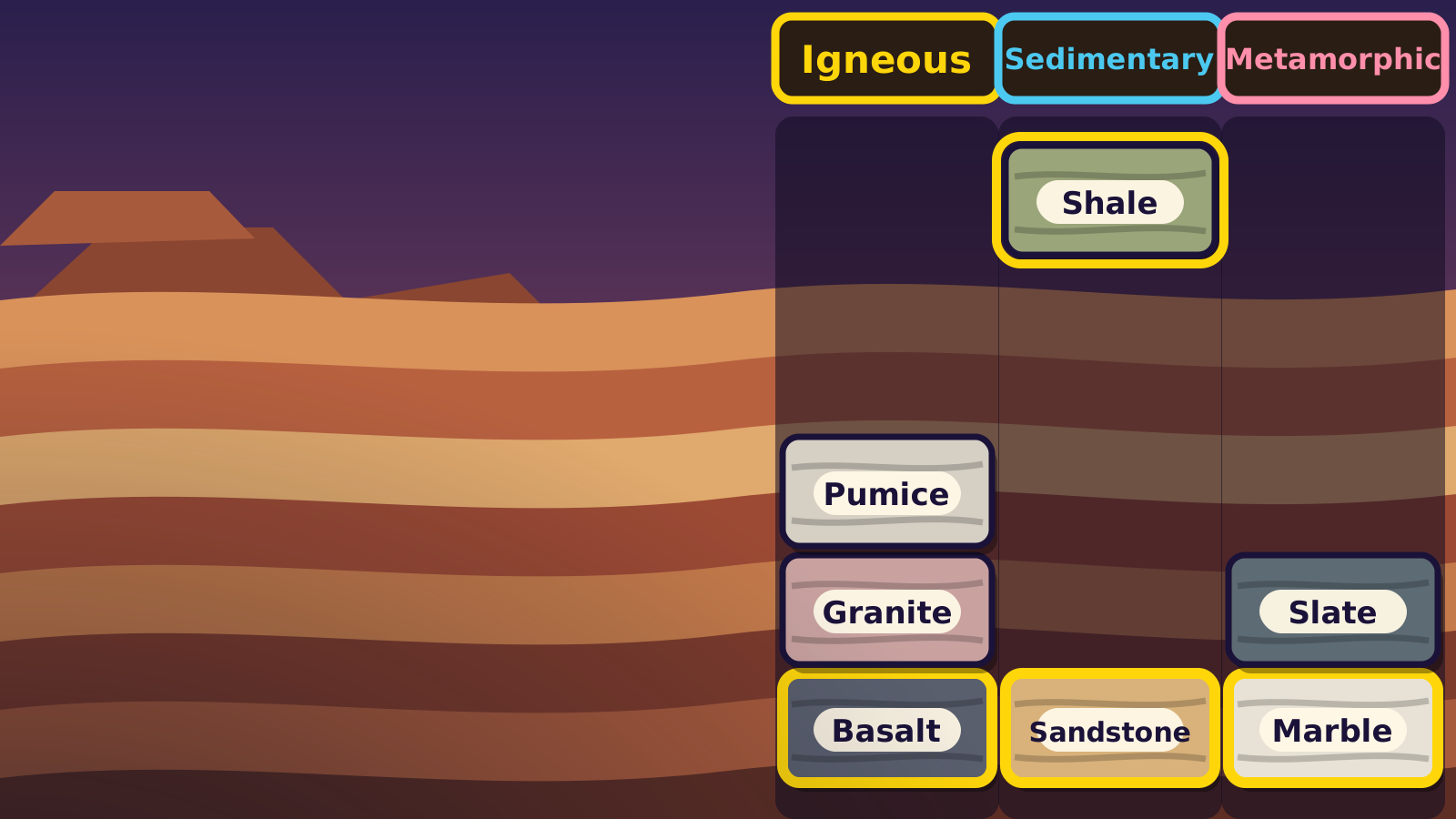
Level 3 sorts divergent, convergent and transform plate boundaries, the places where Earth's plates pull apart, push together or slide past each other.
Play level 3 of Rock StackCivics Pop · Grades 4–8
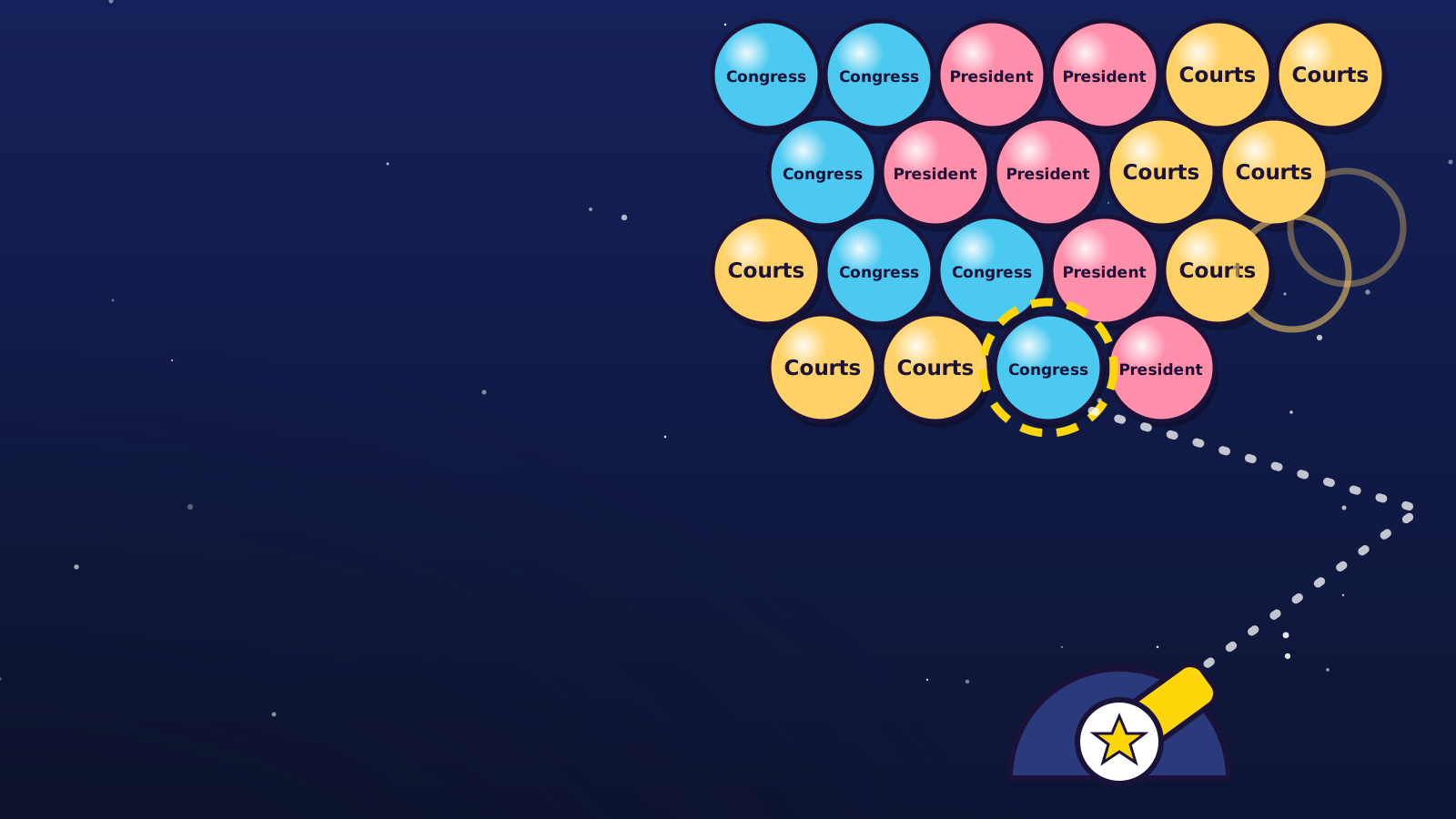
Level 2 sorts facts into the Senate, the House or both, like which one has two members from every state. Level 3 is the rights in the 1st, 4th, 5th and 6th Amendments.
Play level 2 of Civics PopTimeline Rush · Grades 5–8
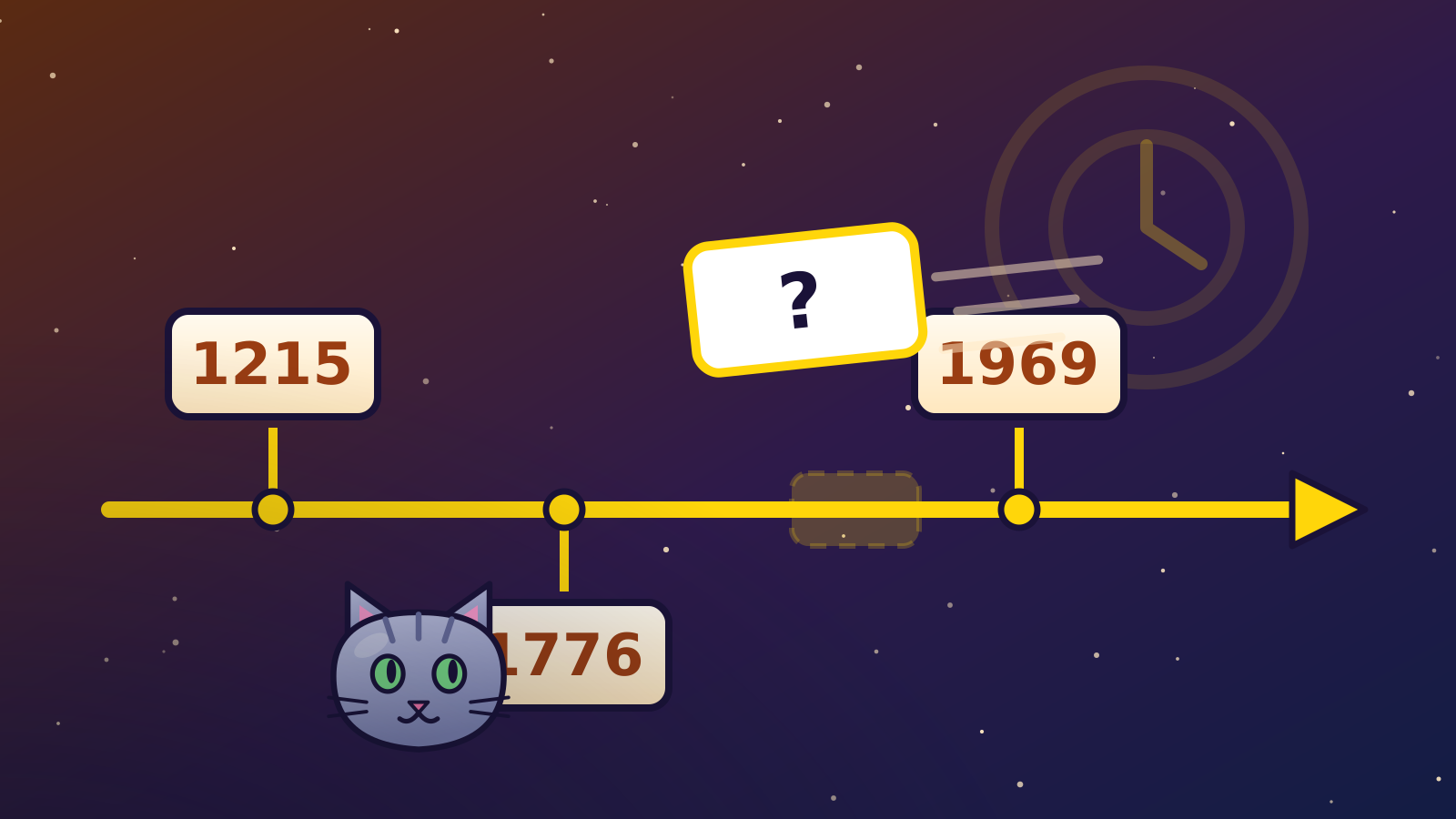
Level 2 orders events from the ancient world to the 1500s, such as the death of Alexander the Great and the unification of China under the Qin. Level 3 is the modern world.
Play level 2 of Timeline RushTime Snake · Grades 4–8
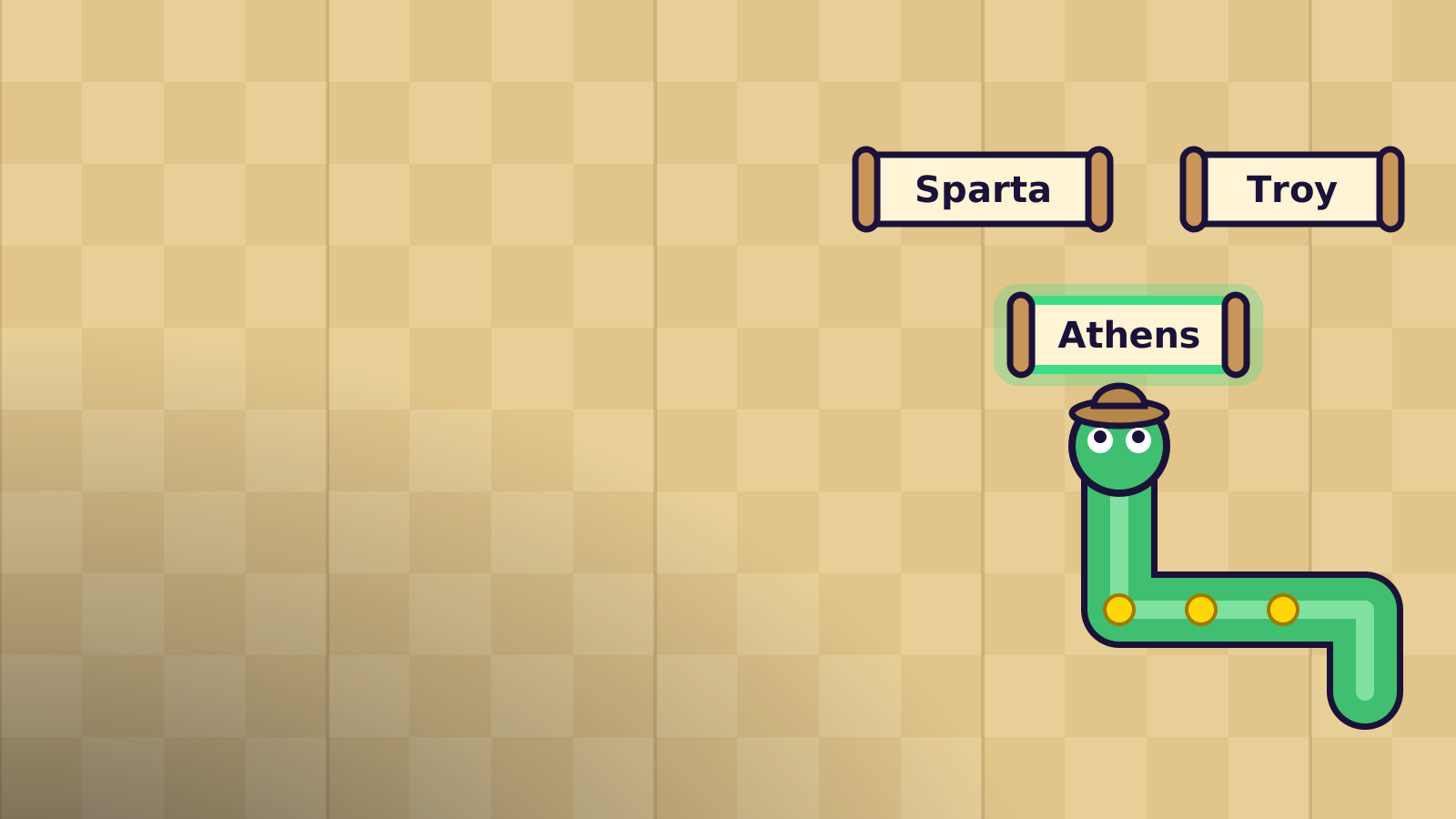
Level 3 covers the Middle Ages to the 1700s, from Charlemagne's crowning in 800 and Magna Carta in 1215 to Newton.
Play level 3 of Time SnakeSky Atlas · Grades 4–9
Level 3 gives a capital city, like Nairobi, and asks you to fly to its country. The flags and U.S. states levels also fit these grades.
Play level 3 of Sky AtlasStamp Swap · Grades 4–7
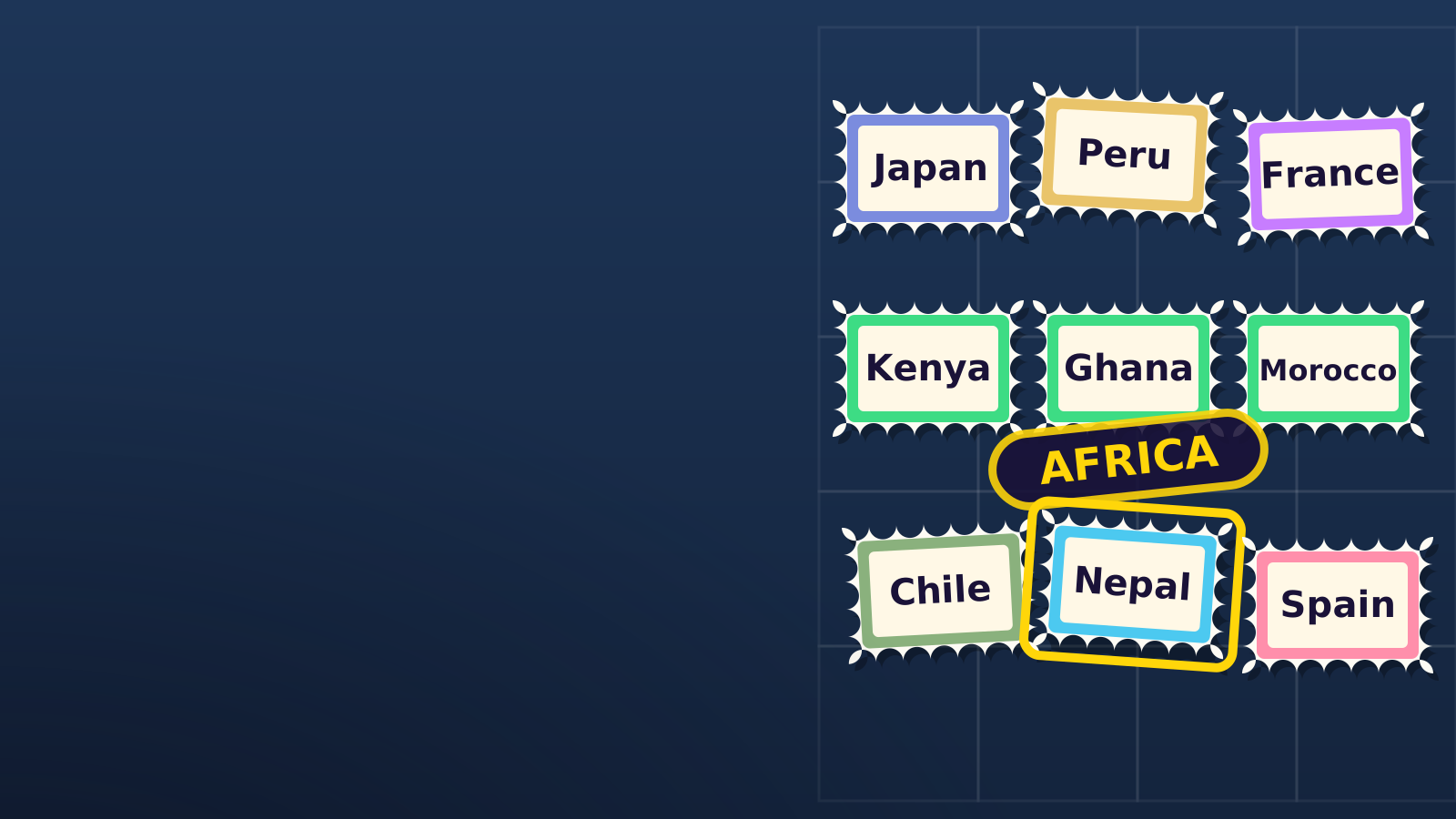
Level 3 groups mountains, rivers and deserts by continent, such as the Nile, the Sahara and Kilimanjaro in Africa.
Play level 3 of Stamp SwapWord Catcher · Grades 3–7
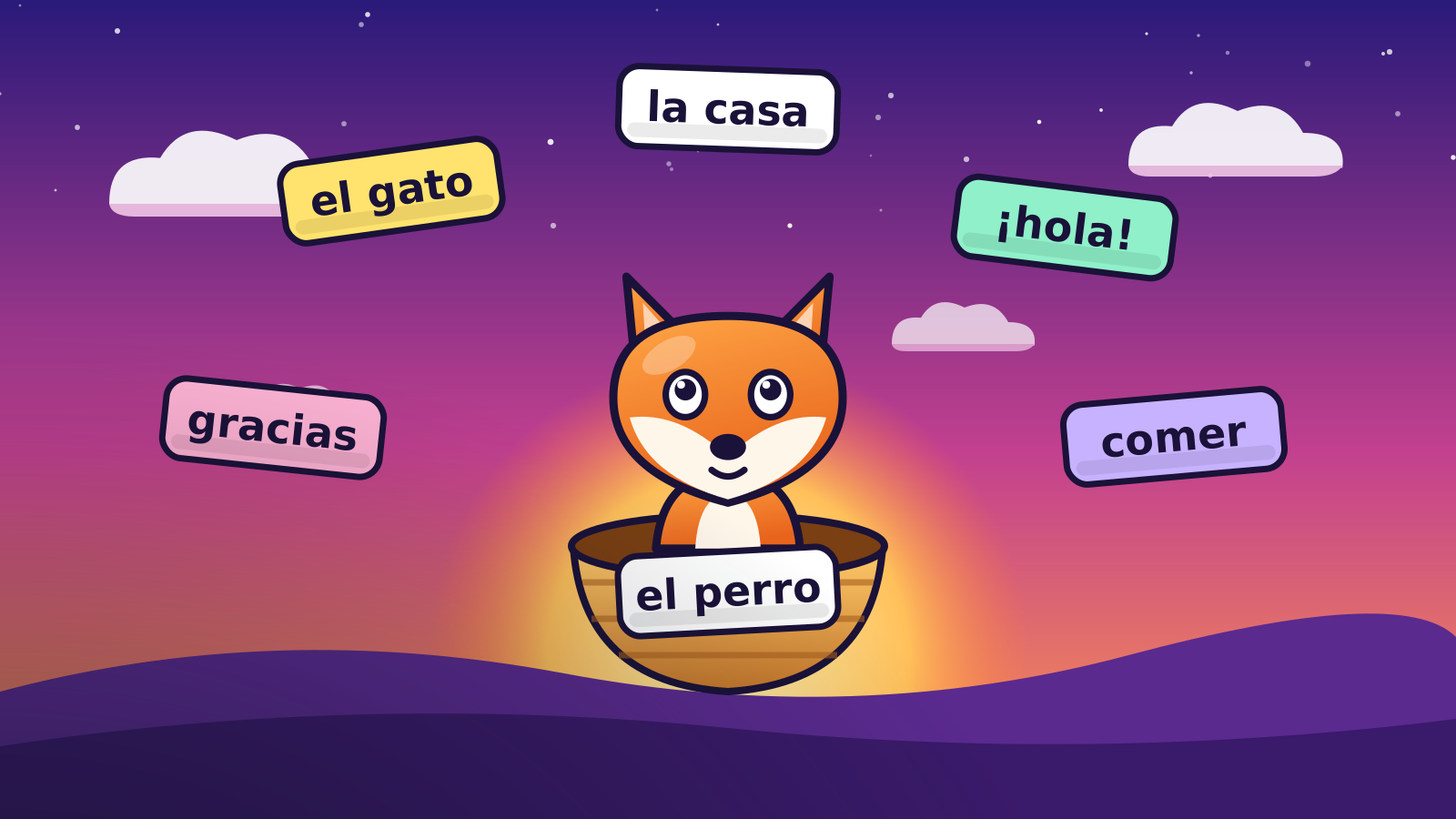
Level 3 is useful Spanish phrases such as buenos días and muchas gracias, with a note on when each one is used.
Play level 3 of Word CatcherWord Catcher: French · Grades 4–8
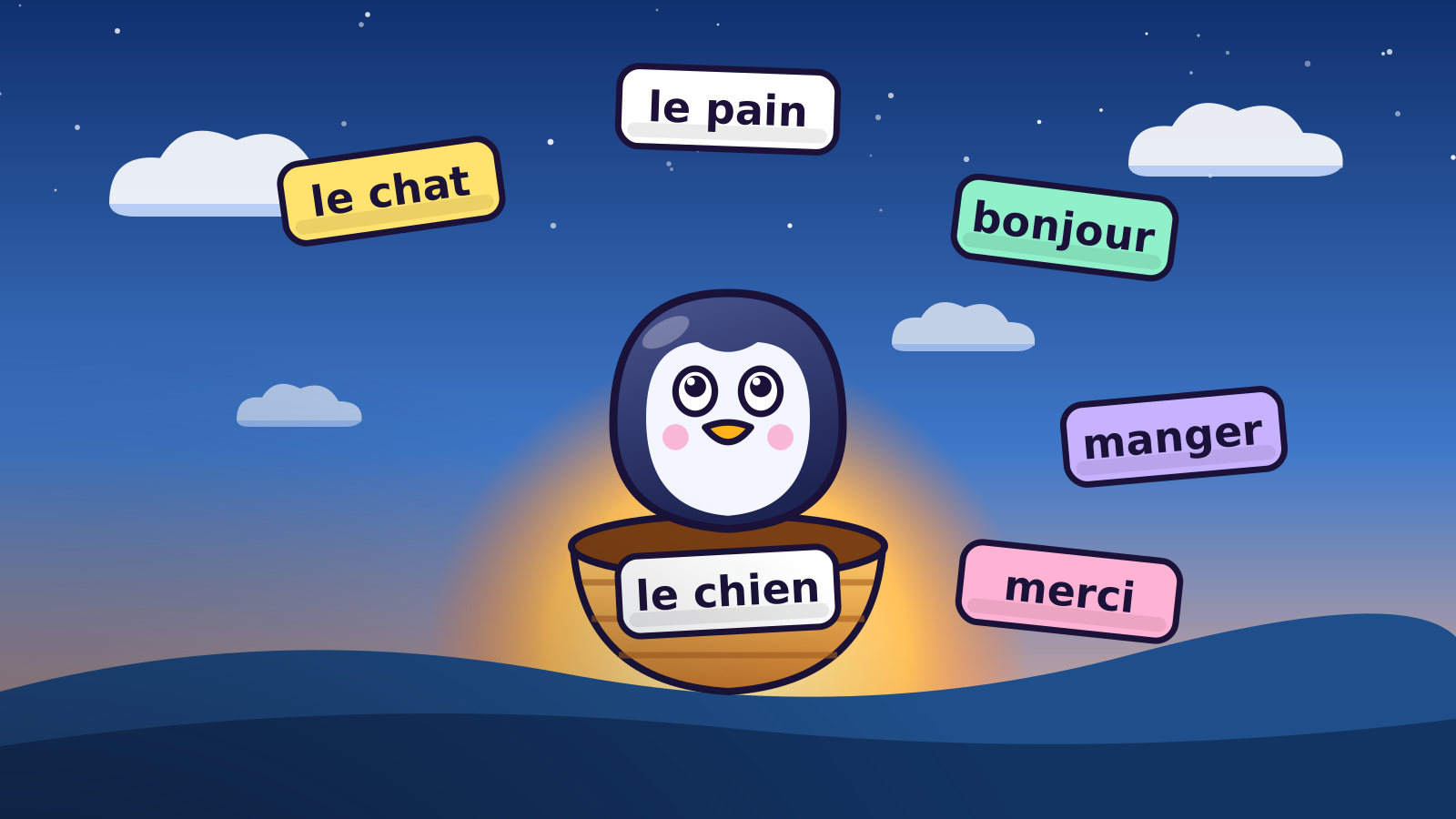
Level 2 is French action verbs, and level 3 is everyday phrases like Où est la bibliothèque ? (Where is the library?).
Play level 2 of Word Catcher: French



Free printables
- Winter math worksheets for grades 3 to 7 (3 practice pages, a 10-day plan and a 2-page answer key, goes with Times Table Dash)
- Fractions on a number line worksheet (2 practice pages and a 1-page answer key, goes with Number Line Bounce)
- Periodic table worksheet: the first 20 elements (2 practice pages and a 1-page answer key, goes with Element Dash)
- Three branches of government worksheet (1 practice page and a 1-page answer key, goes with Civics Pop)
- Printable 50 states and capitals checklist (1 practice page and a 1-page answer key, goes with Sky Atlas)
Math: equations, negatives and geometry
The Common Core grade 7 standards ask students to solve equations of the form px + q = r and p(x + q) = r fluently, and to use facts about supplementary, complementary, vertical and adjacent angles to find an unknown angle. They also ask students to know the formulas for the area and circumference of a circle. In grade 8, students solve linear equations that need the distributive property and collecting like terms, and they understand and apply the Pythagorean theorem.
- Equations: Balance Bridge levels 2 and 3. The pans make it clear why you subtract before you divide.
- Angles: Shape Breaker level 2. Almost every missing-angle question comes down to 90, 180 or 360 degrees; the exception is vertical angles, which are equal.
- Circles, triangles, volume and right triangles: Shape Breaker level 3.
- Negatives: Number Line Bounce level 3 places them on the number line, and Math-Man's Castle level 5 adds and subtracts them.
- Roots and exponent rules: Math-Man's Castle level 6.
What we don't have yet: games for proportional relationships, functions, statistics or systems of equations, which are major parts of these grades. Plan on other practice for those.
English: academic vocabulary
The Common Core language standards for grades 7 and 8 move on to phrases and clauses, and to verbals such as gerunds, participles and infinitives. Our grammar games stop at grade 6, so none of them are listed here. What does carry over is vocabulary: the standards in both grades ask students to learn academic and subject-specific words and to use Greek and Latin roots as clues to meaning. Type Rocket level 3 drills long subject words, and Word River's word-parts level makes a quick review of roots.
Science: cells, atoms, forces and Earth
The NGSS middle school band includes an argument that the body is a system of interacting subsystems made of groups of cells; a model of the Earth, Sun and Moon that explains the phases of the Moon, eclipses and seasons; evidence that the change in an object's motion depends on the forces on it and its mass; and data on fossils, rocks, continent shapes and the sea floor as evidence of past plate motions.
Those match Cell Builder level 3 (body systems), Planet Hop level 2 (Moon phases), Launch Lab level 2 (Newton's laws) and Rock Stack level 3 (plate boundaries). Element Dash practices the element names and symbols that the band's work on atoms and molecules (MS-PS1-1) uses.
Civics, history and geography
Article I of the U.S. Constitution says Congress consists of a Senate and a House of Representatives, and the first ten amendments, the Bill of Rights, were ratified in 1791. Civics Pop levels 2 and 3 work straight from those documents, which makes them good review for a civics or U.S. history unit. Timeline Rush and Time Snake cover world history in order, using well-settled dates only, and Sky Atlas and Stamp Swap keep the map work fresh.
Getting a teenager to practice
Our suggestions, for kids who would rather not be told what to do:
- Offer the game as test prep they control, not as an assignment. Five minutes on the matching level the night before a quiz is an easy sell.
- Ask them to beat their own score on a level, not a sibling's. There are no public leaderboards, by design.
- Let them start at the hardest level that fits, and step down only if they want to.
- If they are learning Spanish or French, Word Catcher is quick practice on a phone.
For teachers
Any game plays in a browser on a classroom projector with no student accounts and no setup. Our suggestion: Civics Pop level 3 or Timeline Rush level 3 as a bell-ringer, with one student at the controls and the class voting on each move. Every game has a pause button and separate music and sound-effect switches, and a wrong answer shows the right one (and in nearly every game, why), which gives you a natural moment to stop and discuss.
Questions parents and teachers ask
Are these games free?
Yes. They play in a web browser with no account, no download and no ads, and nothing in the games can be bought.
My eighth grader is ahead. Is there anything harder?
Yes. Balance Bridge level 3 is written for grades 8 and 9, Element Dash level 4 for grades 8 to 10, and Element Dash level 5 and Launch Lab level 3 for grades 9 and 10. Launch Lab level 3 has gravity and projectiles on Mars.
My child is behind in math. Where should they start?
Our suggestion: Number Line Bounce level 3 for negative numbers, then Balance Bridge level 1 for one-step equations, before the two-step equations on this page. The 5th and 6th grade page lists the earlier levels.
Do the games work on a Chromebook or phone?
Yes. They run in a web browser and work with a keyboard (arrow keys or WASD), touch or on-screen buttons.
Do the games collect information about my child?
Playing needs no account and asks for no name or email. To learn which levels work, each game sends our own server a few anonymous gameplay events (a level started or ended, the score, the time played and how many answers were given), tagged with a random code that can't be linked to a person, and our server passes those counts to Google Analytics. There is no chat, no messaging, no public leaderboard and no ads. Our privacy policy has the details.
Keep exploring
- Learning games for 3rd and 4th grade
- Learning games for 5th and 6th grade
- Math games for grades 3 to 9
- Word games for grades 3 to 8: English, Spanish and French
- Science games for grades 3 to 10
- Geography, history and civics games for grades 4 to 9
- Integer games for grades 6 and 7
- Civics games for grades 4 to 8
- Solving equations: a game where the answer has to balance
- The periodic table: a game where you fly through the right element
- Parts of a cell: a game where you build one
- A physics game for kids: aim, launch, learn
- Solar system game: hop to the right planet
- Electric circuits: a game where the town's lights only come on if you get it right
- History timeline game: put events in order
- Flag quiz: guess the flag, then fly there
- States and capitals game: fly to all 50 states
- Spanish vocabulary game: catch the right word
- French vocabulary game: catch the right word
Sources
Every fact on this page was checked against these sources by a separate fact-checker on November 3, 2026. How we check facts.
- Common Core: Grade 8 Geometry (8.G.B.7, Pythagorean theorem)
- Common Core State Standards: Grade 7 Mathematics introduction
- Common Core State Standards: Grade 8 Mathematics introduction
- Common Core: Grade 7 Expressions and Equations (7.EE.B.4a)
- Common Core: Grade 7 Geometry (7.G.B.4 circles, 7.G.B.5 angles)
- Common Core: Grade 8 Expressions and Equations (8.EE.C.7b)
- Common Core: Language, Grade 7 (L.7.1a phrases and clauses; L.7.4b; L.7.6)
- Common Core: Language, Grade 8 (L.8.1a verbals; L.8.4b; L.8.6)
- NGSS home (middle school listed as grades 6-8)
- NGSS MS-LS1-3: the body as a system of interacting subsystems
- NGSS MS-ESS1-1: Earth-Sun-Moon model, lunar phases, eclipses, seasons
- NGSS MS-PS2-2: change in motion depends on forces and mass
- NGSS MS-ESS2-3: evidence of past plate motions
- NGSS MS-PS1-1: atomic composition of simple molecules
- National Archives: The Constitution of the United States, a transcription (Article I)
- National Archives: The Bill of Rights, a transcription (ratified December 15, 1791)
- Time Snake content file (Charlemagne 800, Magna Carta 1215)