In short
Grades 5 and 6 bring fluency with fractions, decimals to hundredths, negative numbers and the first equations. All 25 Genius Arcade games have a level that fits these two years, from Balance Bridge's one-step equations to Slice of Speech's prepositions and conjunctions. Our advice is to pick the two or three that match what your child is doing in class.
Key facts
- In the Common Core, sixth graders solve equations of the form x + p = q and px = q (6.EE.B.7). Source: Common Core: Grade 6 Expressions and Equations (6.EE.B.7)
- Sixth graders understand negative numbers as positions on the opposite side of 0, and absolute value as distance from 0 (6.NS.C). Source: Common Core: Grade 6 The Number System (6.NS.C.5, 6.NS.C.6a, 6.NS.C.7c)
- Fifth graders explain what conjunctions, prepositions and interjections do in a sentence (L.5.1.A). Source: Common Core: Language, Grade 5 (L.5.1a; L.5.4b Greek and Latin roots)
- The Next Generation Science Standards list grade 5 on its own and group grades 6 to 8 into one middle school band. Source: NGSS home (middle school listed as grades 6-8)
- NGSS grade 5 includes identifying materials by properties such as electrical conductivity, response to magnets and solubility (5-PS1-3). Source: NGSS 5-PS1-3: identify materials by their properties
The work changes quickly across these two years. In the Common Core math standards, grade 5 is about becoming fluent with adding and subtracting fractions, operations with decimals to hundredths, and volume. Grade 6 adds ratios and rates, negative numbers, and writing and solving equations, the first real algebra most students see.
Science changes shape too. The Next Generation Science Standards (NGSS) list grade 5 on its own, then group grades 6 to 8 into one middle school band, so a sixth grader may meet cells, atoms or plate tectonics depending on how their school orders the band.
Because the jump is so big, this page lists a lot of games. Our suggestion: pick the two or three that match what your child is doing in class right now, rather than working down the list.
The games
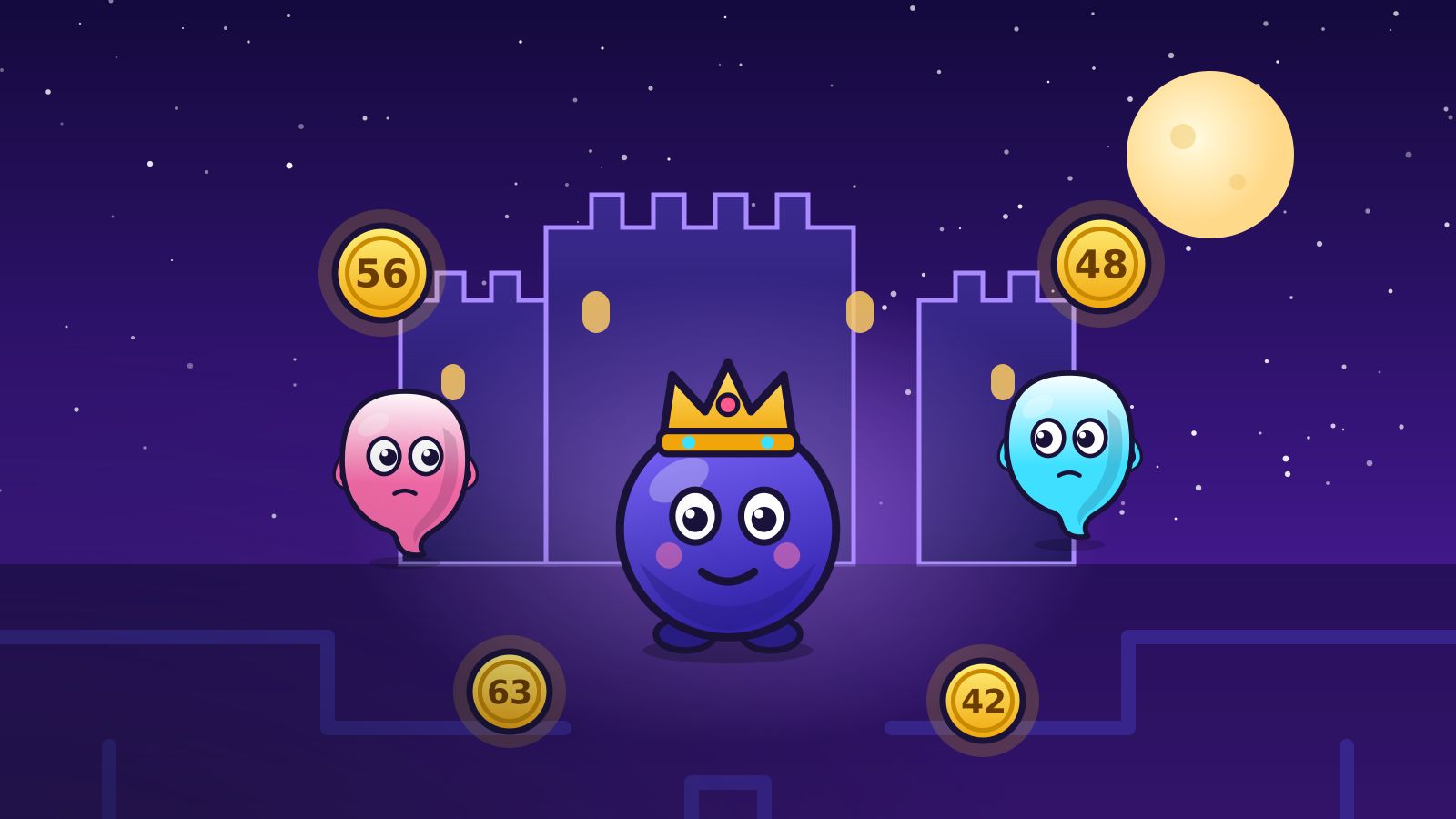
Math-Man's Castle · Grades 3–8
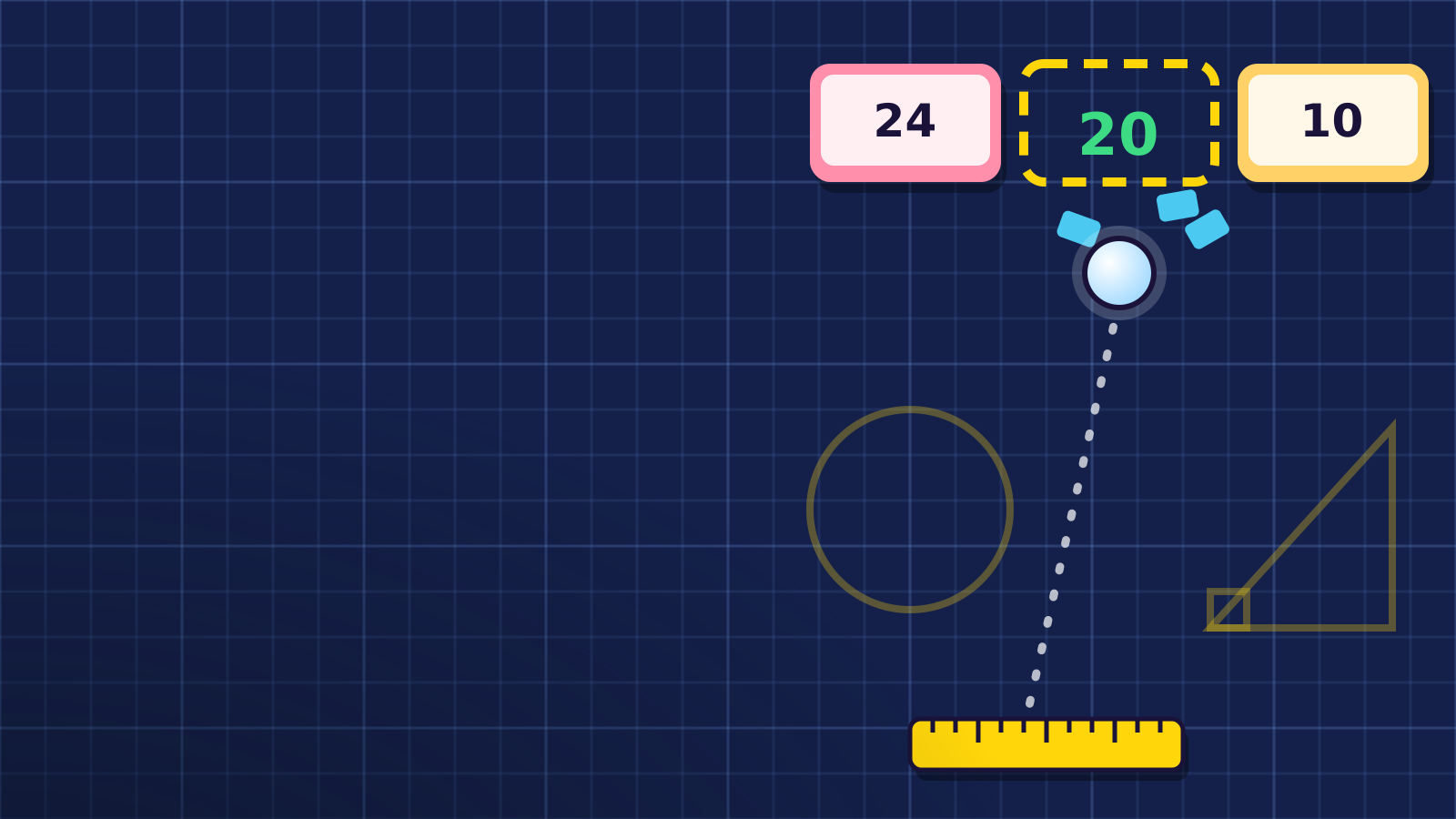
Level 3 (grade 5) asks for a fraction of a whole number: about two in three are unit fractions like 1/4 of 28, and the rest are like 2/3 of 12. Level 4 (grade 6) has 10%, 20%, 25% and 50% of a number, squares from 2² to 12², multiply-before-you-add questions like 3 + 2 × 4, and a few cubes like 4³.
Play level 3 of Math-Man's CastleAnswer Blaster · Grades 3–7
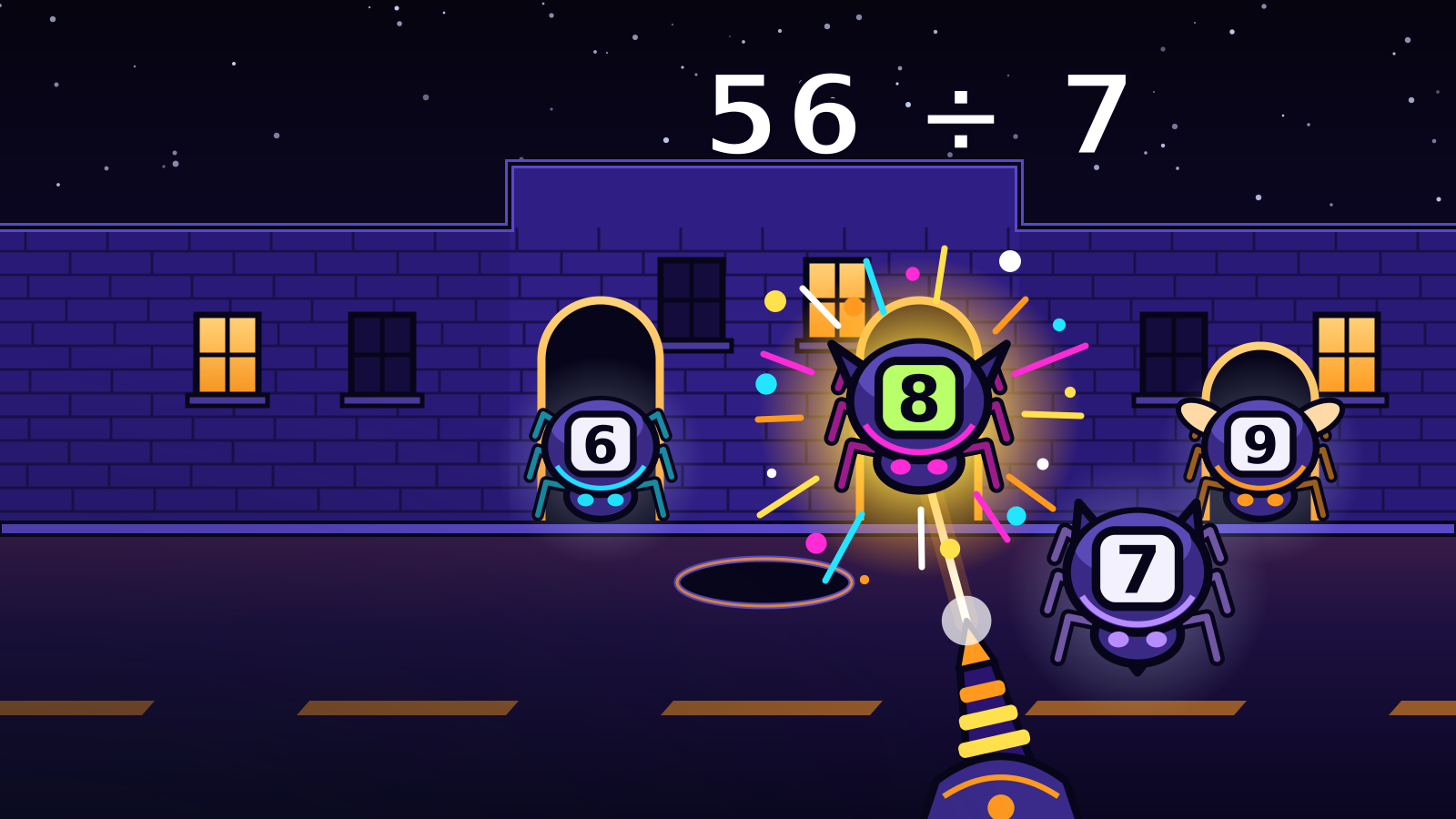
Level 5 is dividing by 11 and 12 with two-digit answers, such as 143 ÷ 11, and the multiplications that undo them. A fifth grader who still hesitates on 7 × 8 can drop back to level 3, which is 7, 8 and 9.
Play level 5 of Answer BlasterTimes Table Dash · Grades 3–5
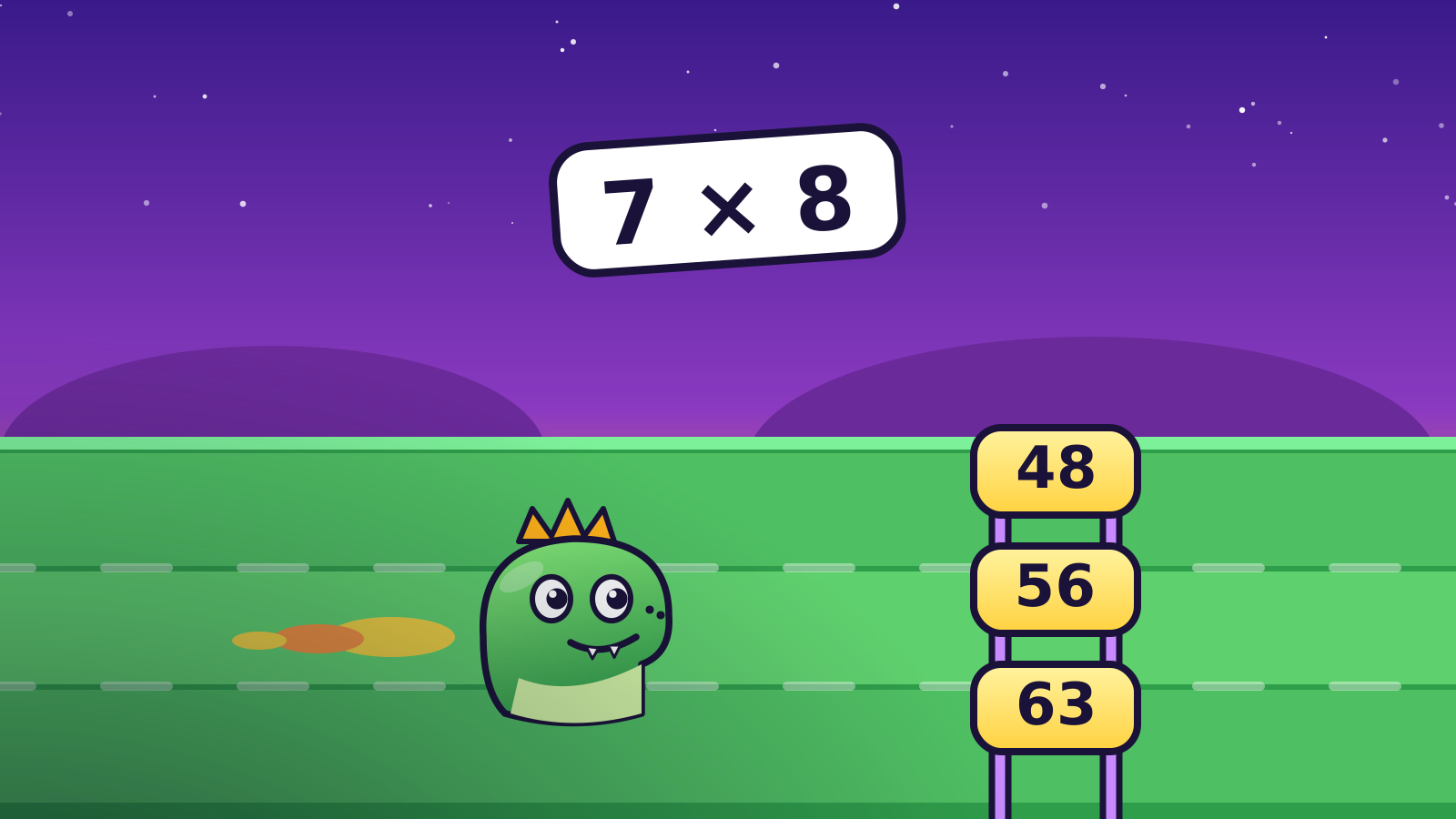
Start at level 1 for a warm-up, then jump to level 4: bigger facts like 14 × 6, solved by splitting off the ten (60 + 24 = 84). Level 5 does the same with two two-digit numbers, like 12 × 15.
Play level 1 of Times Table DashNumber Line Bounce · Grades 3–7
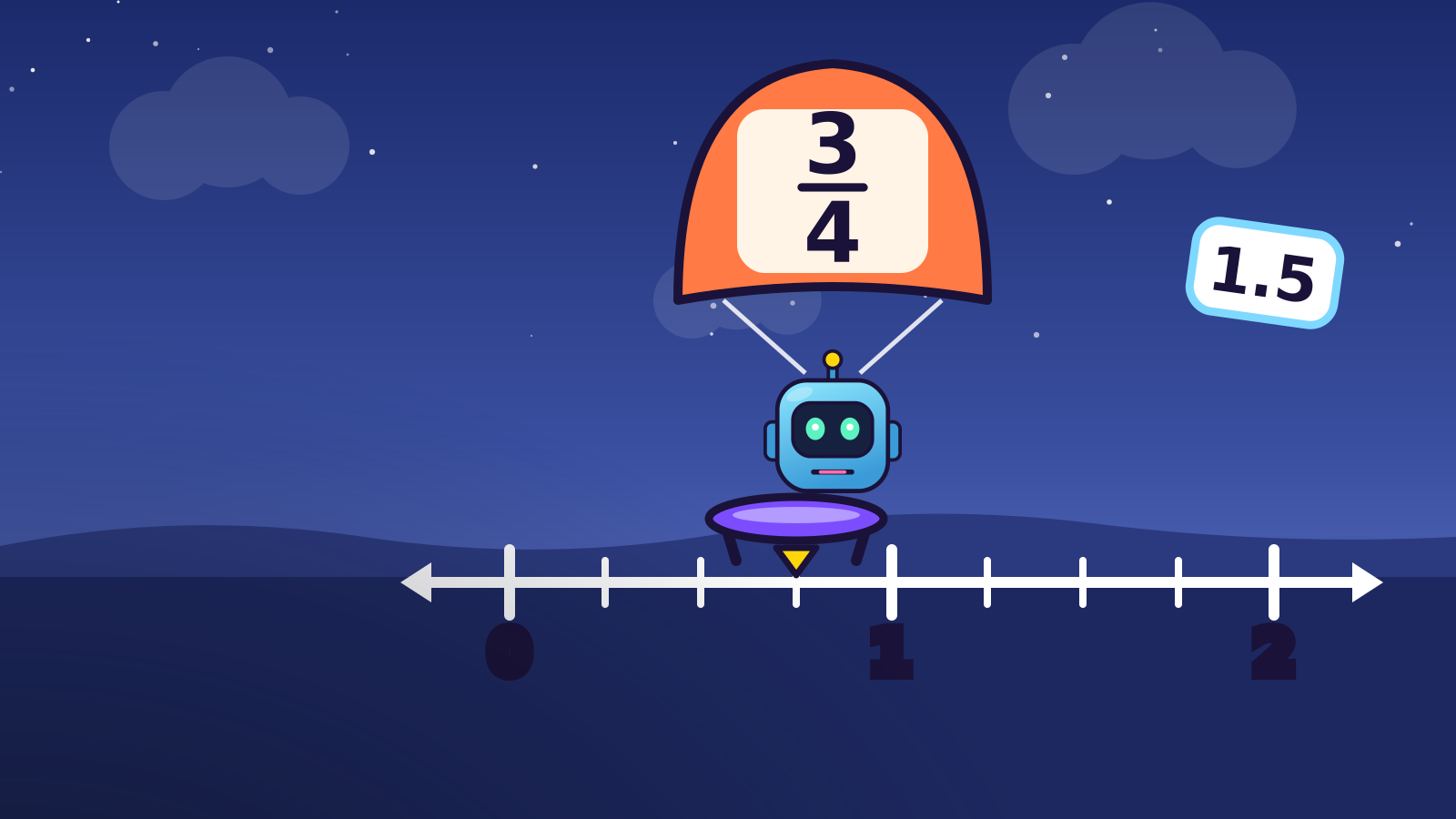
Level 2 places mixed numbers and decimals past 1 on the number line. Level 3 goes below zero with negatives, opposites and absolute value, which are grade 6 topics.
Play level 2 of Number Line BounceShape Breaker · Grades 4–8
Level 1 is the perimeter and area of rectangles. Level 2 finds missing angles on a straight line, inside a right angle and around a point, and level 3 has the area of triangles and parallelograms.
Play level 1 of Shape BreakerBalance Bridge · Grades 6–9
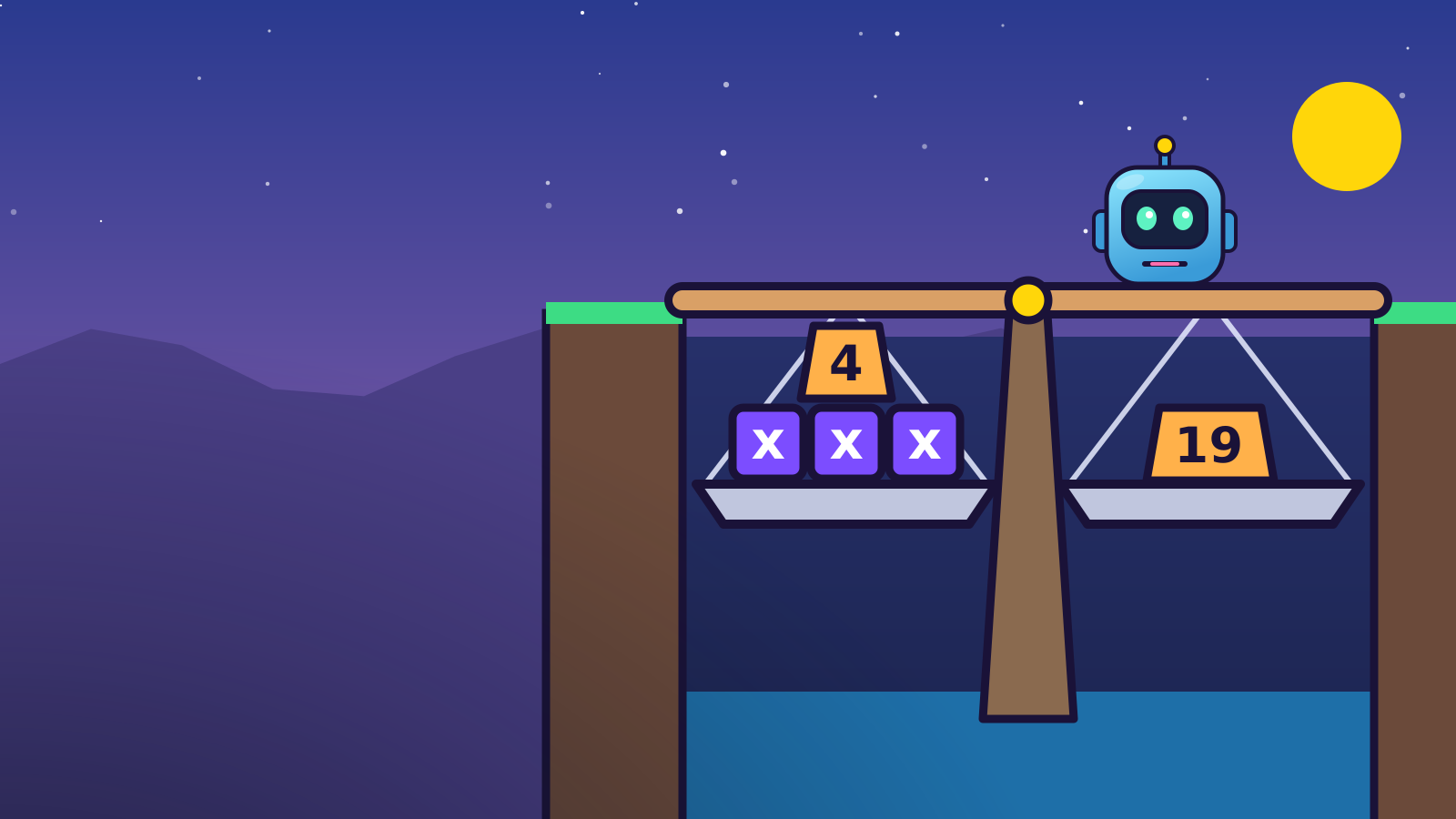
Level 1 is one-step equations like x + 7 = 12 and 4x = 20, shown as a balance: whatever you do to one pan, you do to the other.
Play level 1 of Balance BridgeSlice of Speech · Grades 3–6
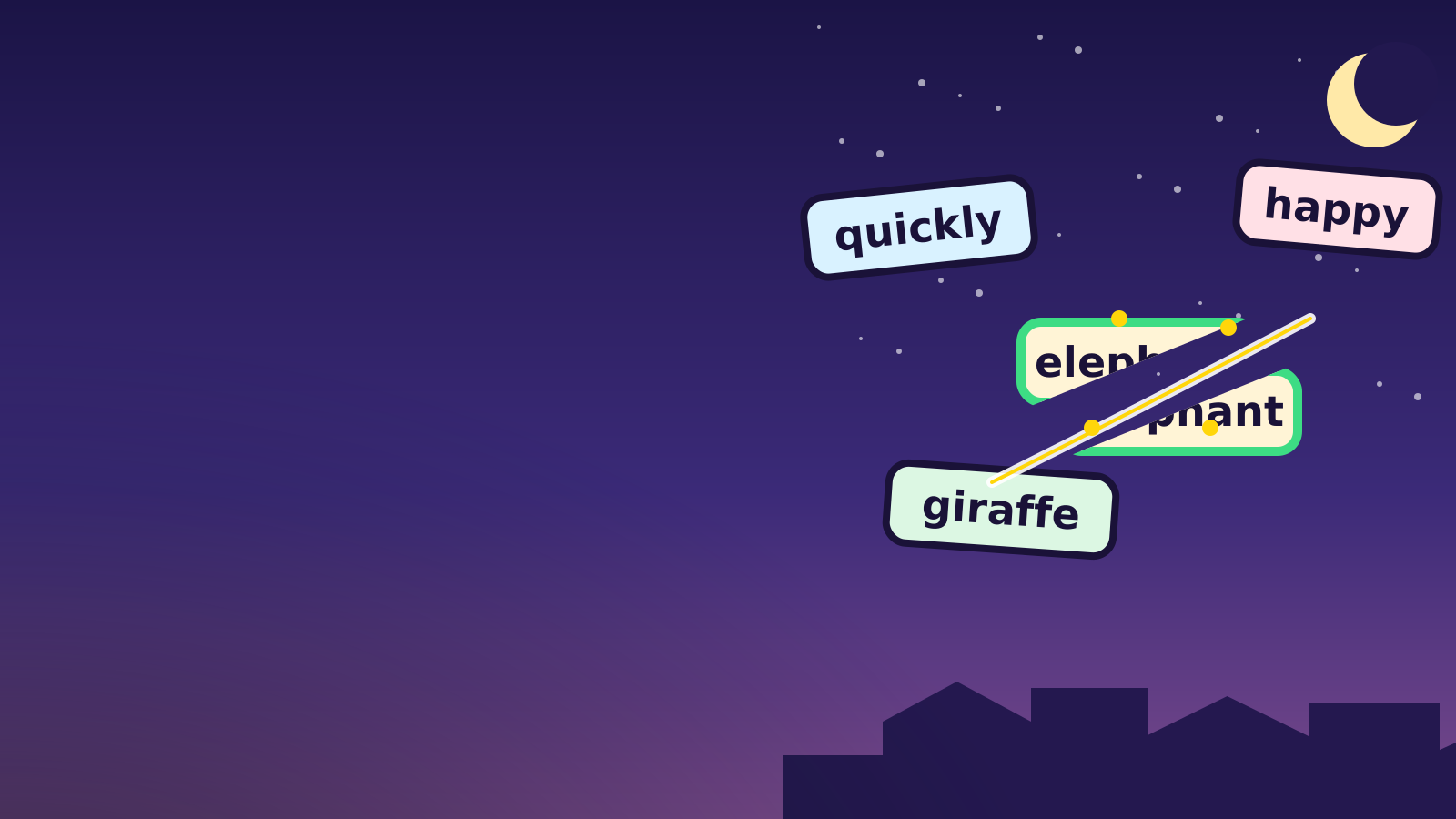
Level 2 is pronouns and adverbs. Level 3 is prepositions, conjunctions and interjections, which the grade 5 standards ask students to explain.
Play level 2 of Slice of SpeechWord River · Grades 4–6
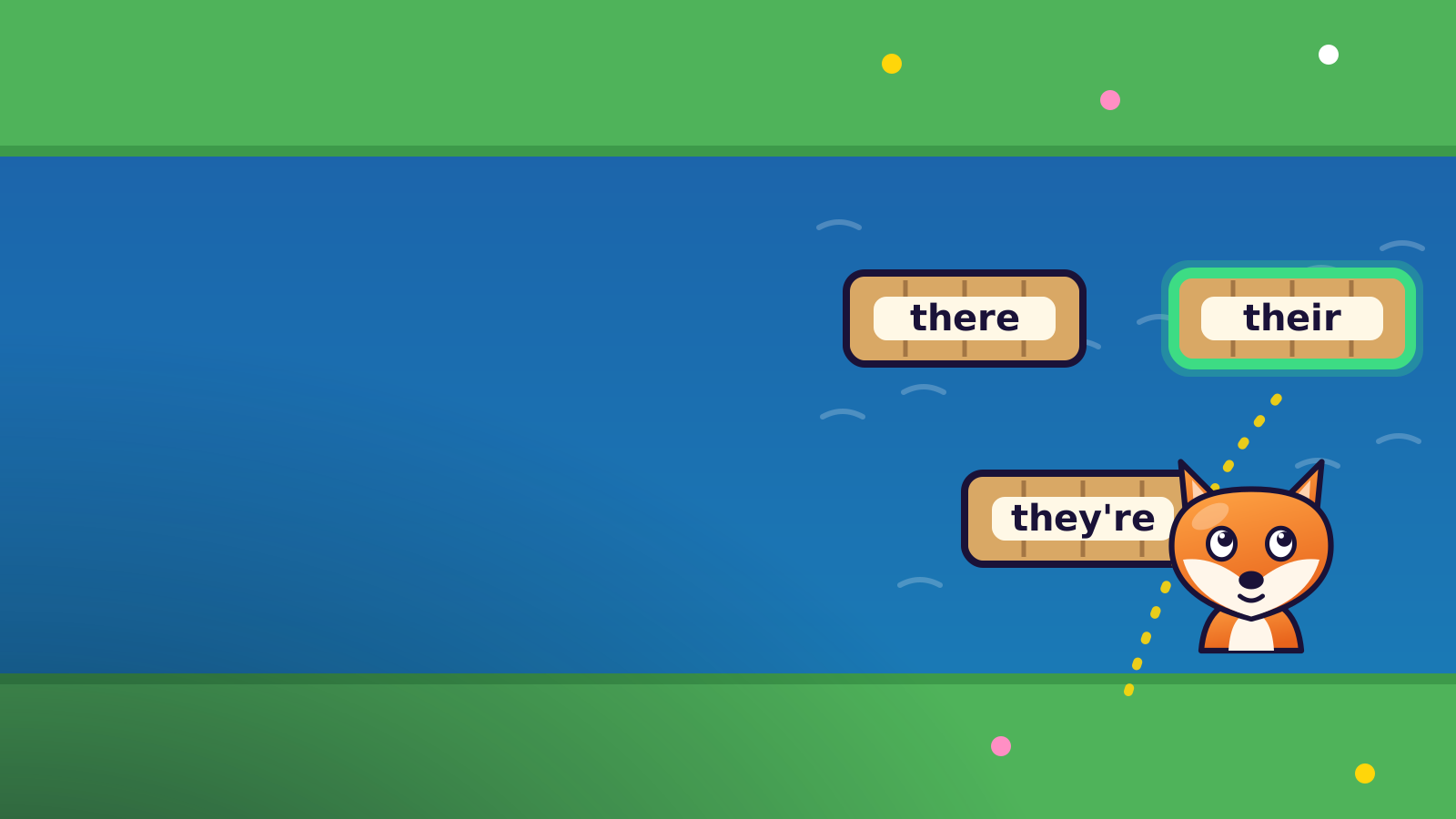
Level 2 is synonyms and antonyms. Level 3 is word parts: prefixes, suffixes and Greek and Latin roots such as tele-, bio- and -less.
Play level 2 of Word RiverType Rocket · Grades 3–8
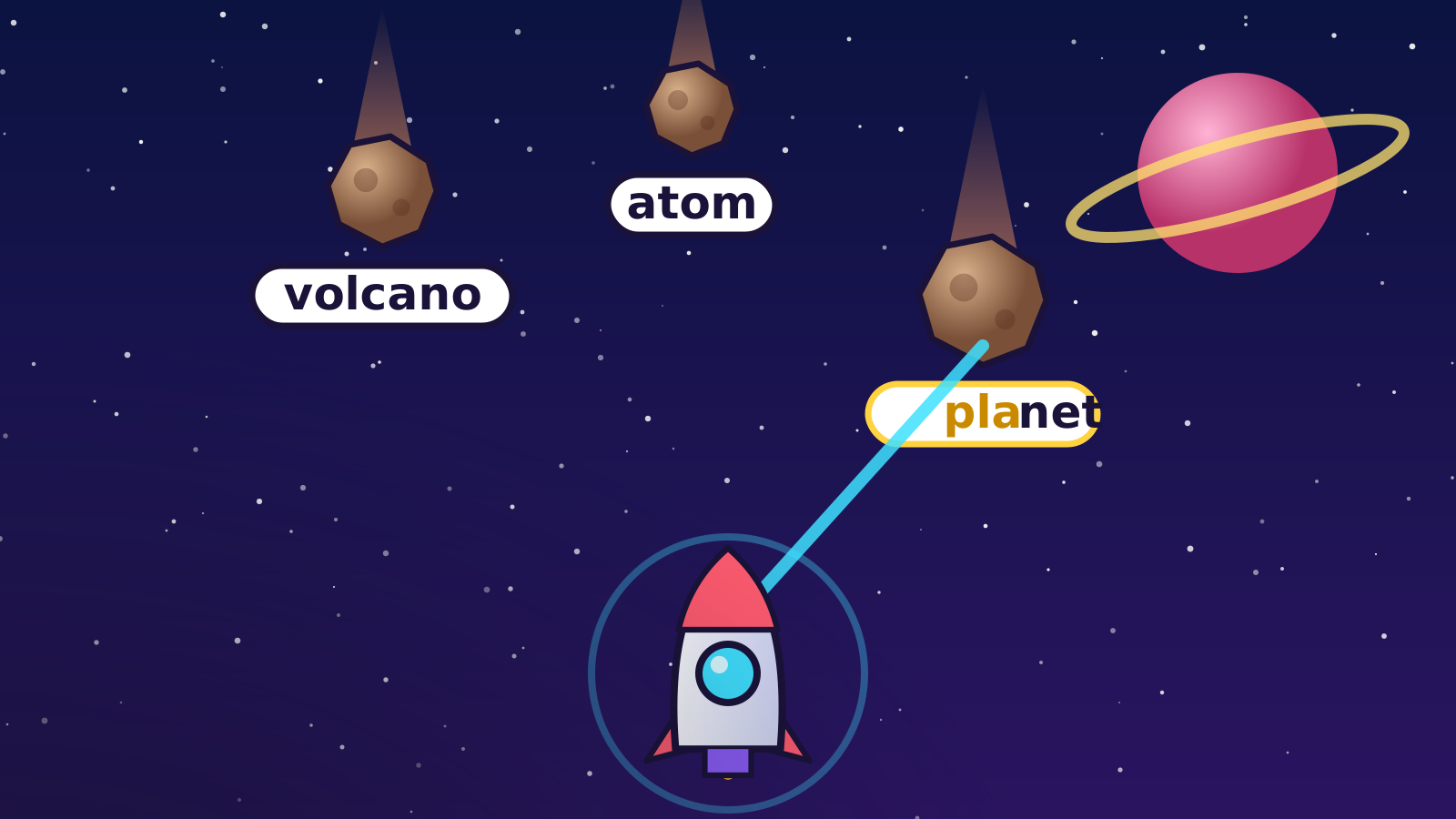
Level 2 is science and world words such as atom, planet and volcano, with each word's meaning shown after you type it.
Play level 2 of Type RocketBeaker Bop · Grades 4–6
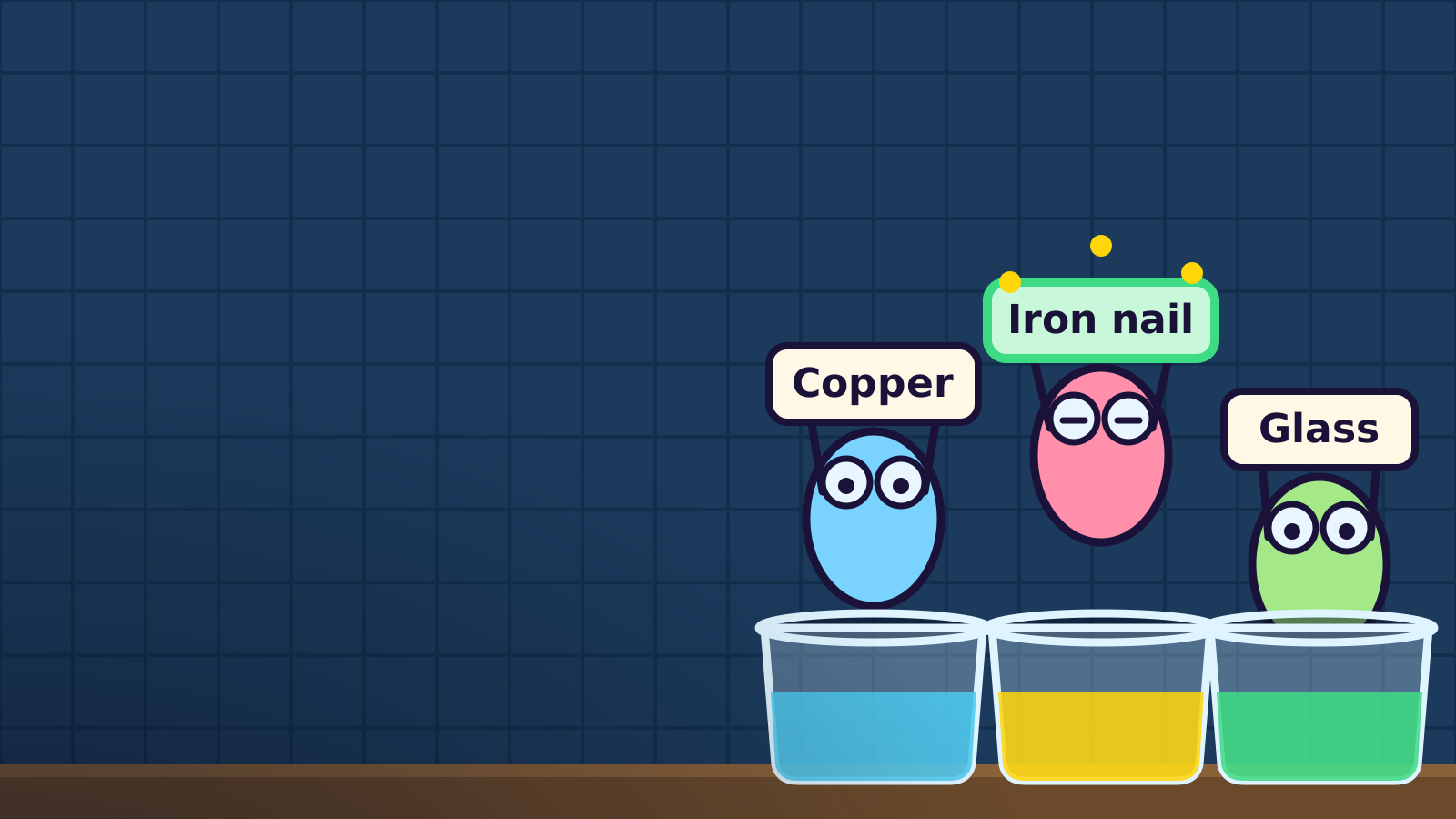
Level 1 is what a magnet pulls and which materials conduct electricity. Level 2 is what dissolves in water, and level 3 sorts pure substances from mixtures.
Play level 1 of Beaker BopSort Storm · Grades 4–6
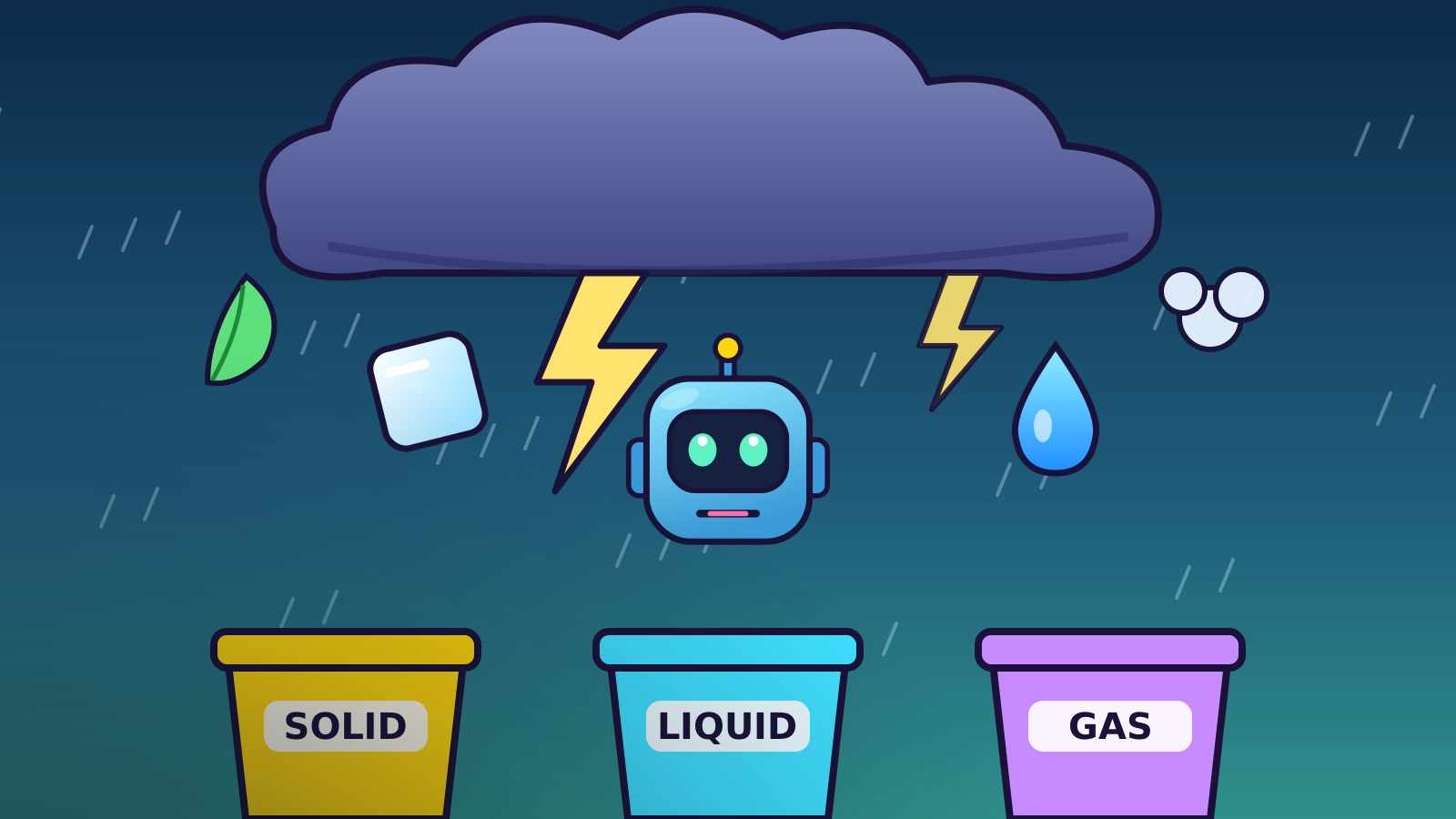
Level 1 sorts solids, liquids and gases. Level 2 sorts producers and consumers, and level 3 sorts physical changes from chemical ones.
Play level 1 of Sort StormFood Web Builder · Grades 4–6
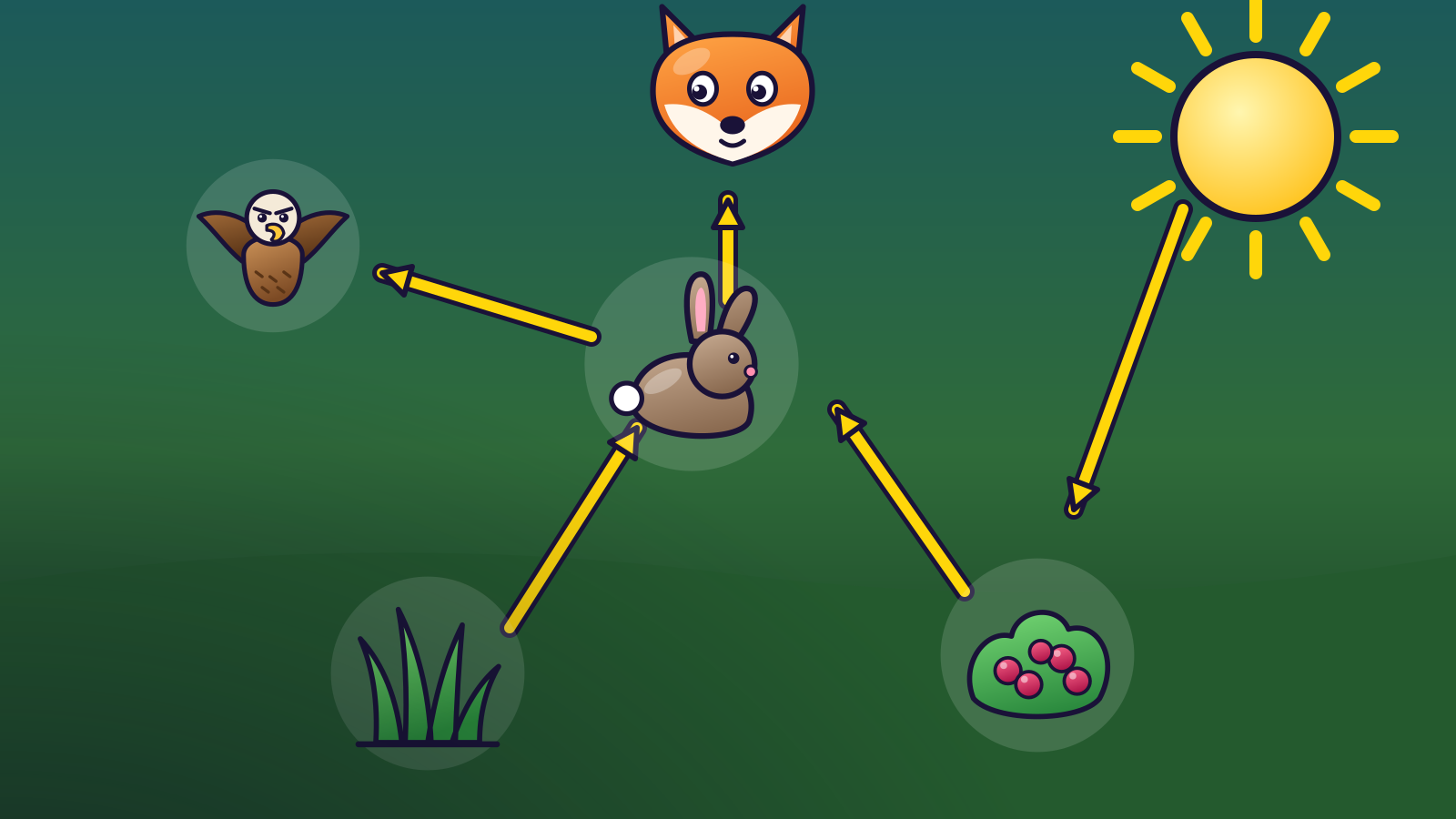
Level 1 is a woodland food web, and levels 2 and 3 move to a pond and the ocean. Every right meal adds an arrow to the web on screen.
Play level 1 of Food Web BuilderCircuit Sprint · Grades 3–8
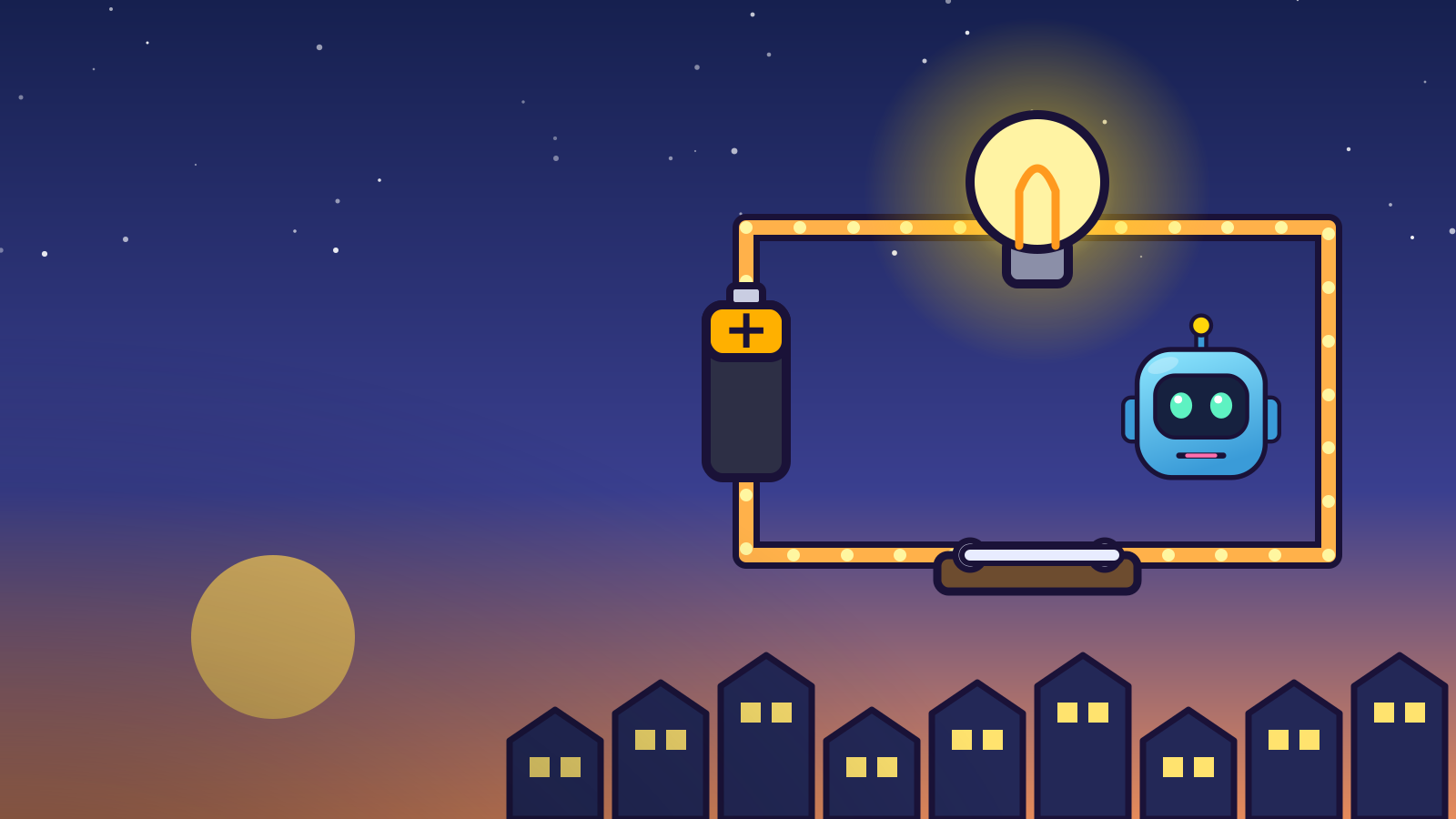
Level 1 is a single loop with a battery, switch and bulb. Level 2 compares series and parallel circuits, such as which bulb stays lit when another is unscrewed.
Play level 1 of Circuit SprintRock Stack · Grades 4–8
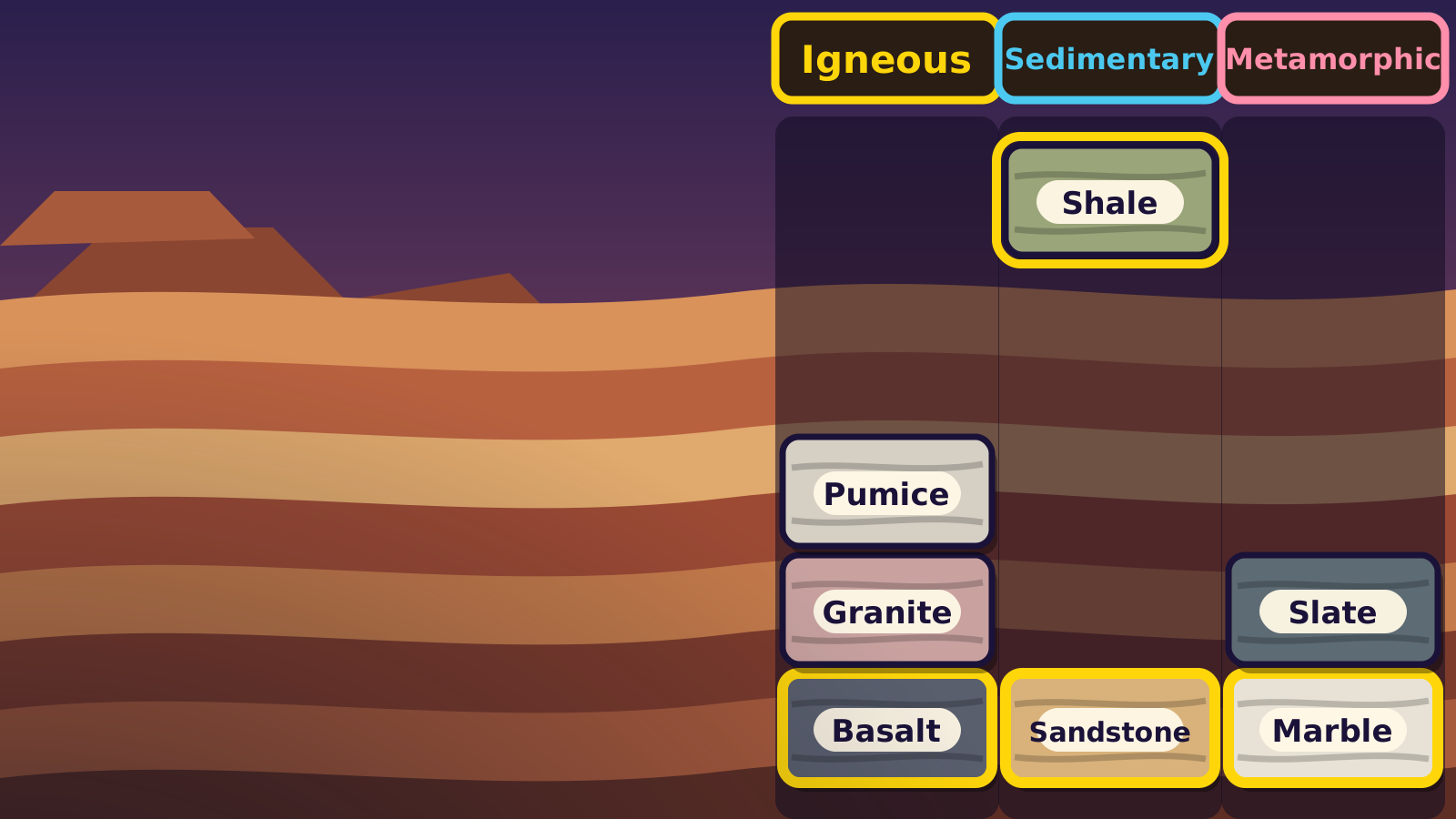
Level 1 is weathering, erosion and deposition. Level 2 sorts igneous, sedimentary and metamorphic rocks.
Play level 1 of Rock StackPlanet Hop · Grades 4–8
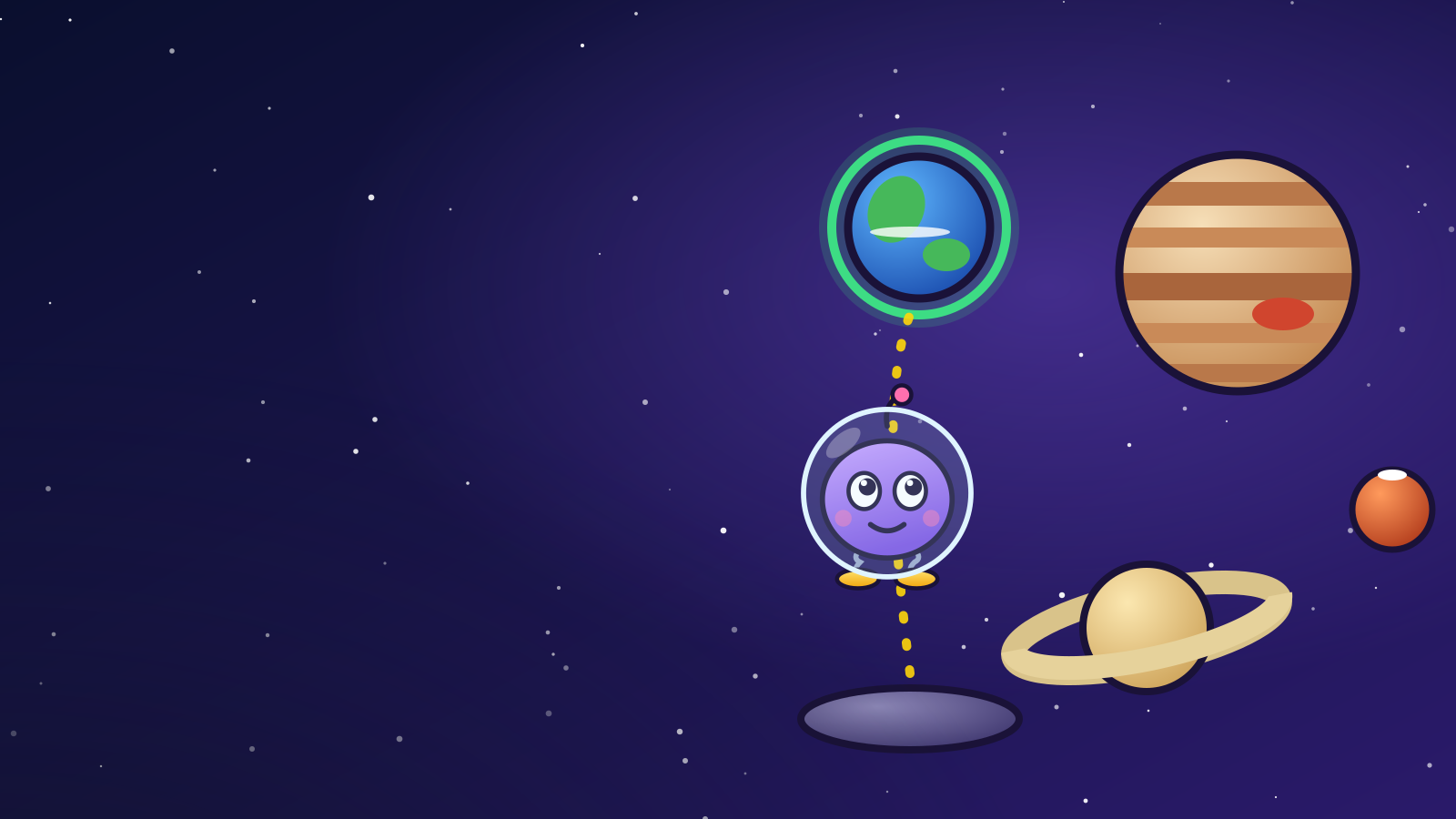
Level 1 is the planets, with clues such as which one circles the Sun in 88 Earth days. Level 2 is the phases of the Moon.
Play level 1 of Planet HopElement Dash · Grades 5–10
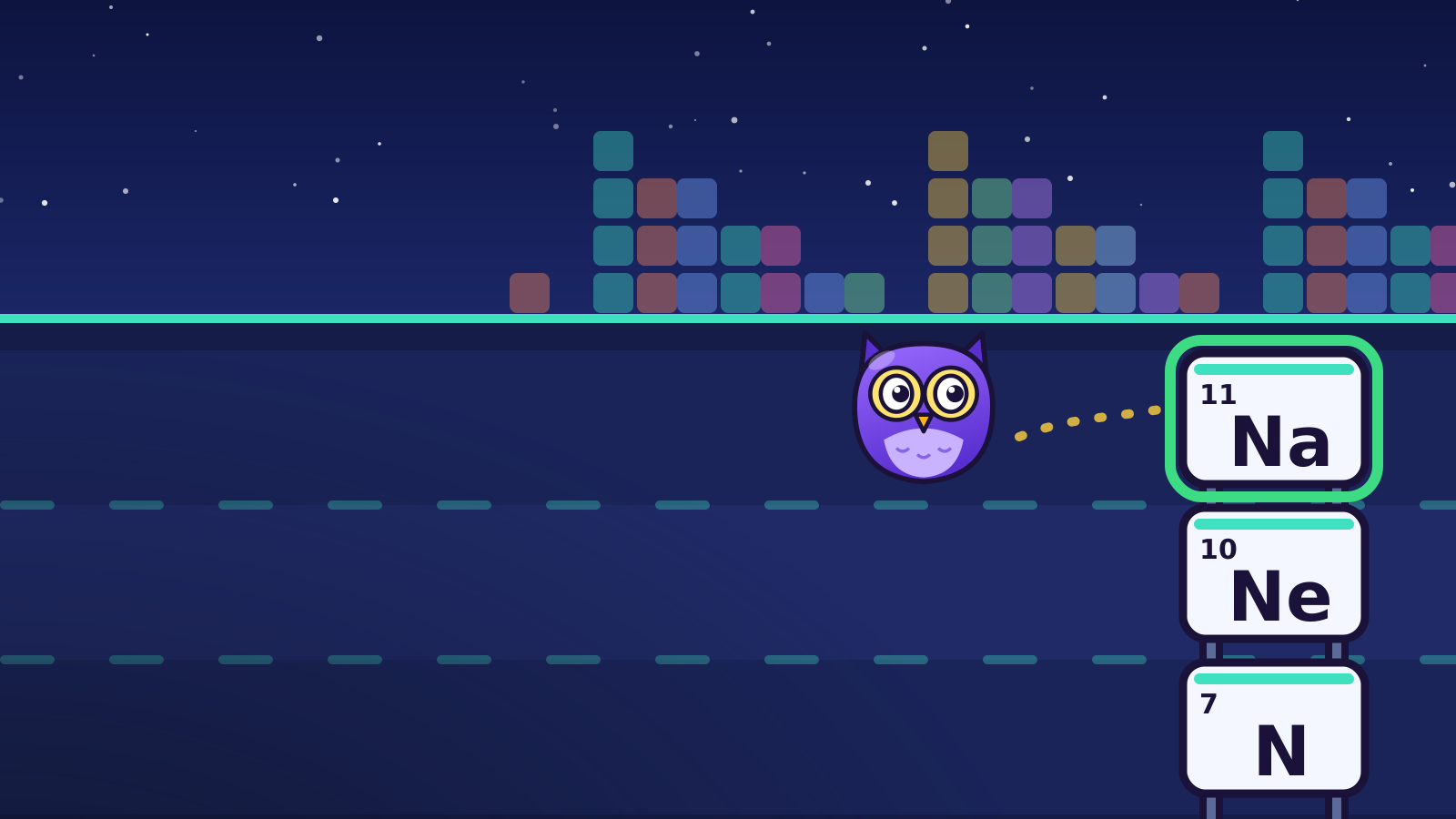
Level 1 matches everyday elements such as hydrogen, oxygen and calcium to their symbols. Level 2 asks which elements are metals and which are nonmetals.
Play level 1 of Element DashCell Builder · Grades 6–8
Level 1 builds plant and animal cells part by part: membrane, nucleus, mitochondria, and in plants the cell wall and chloroplasts.
Play level 1 of Cell BuilderLaunch Lab · Grades 5–10
Level 1 is forces and motion: what a force is, which force pulls things down, and which one slows a sliding box, answered by launching a ball along a real gravity arc.
Play level 1 of Launch LabSky Atlas · Grades 4–9
Level 1 is continents and oceans, and level 2 moves on to countries. The flags level and the U.S. states and capitals level also fit these grades.
Play level 1 of Sky AtlasStamp Swap · Grades 4–7
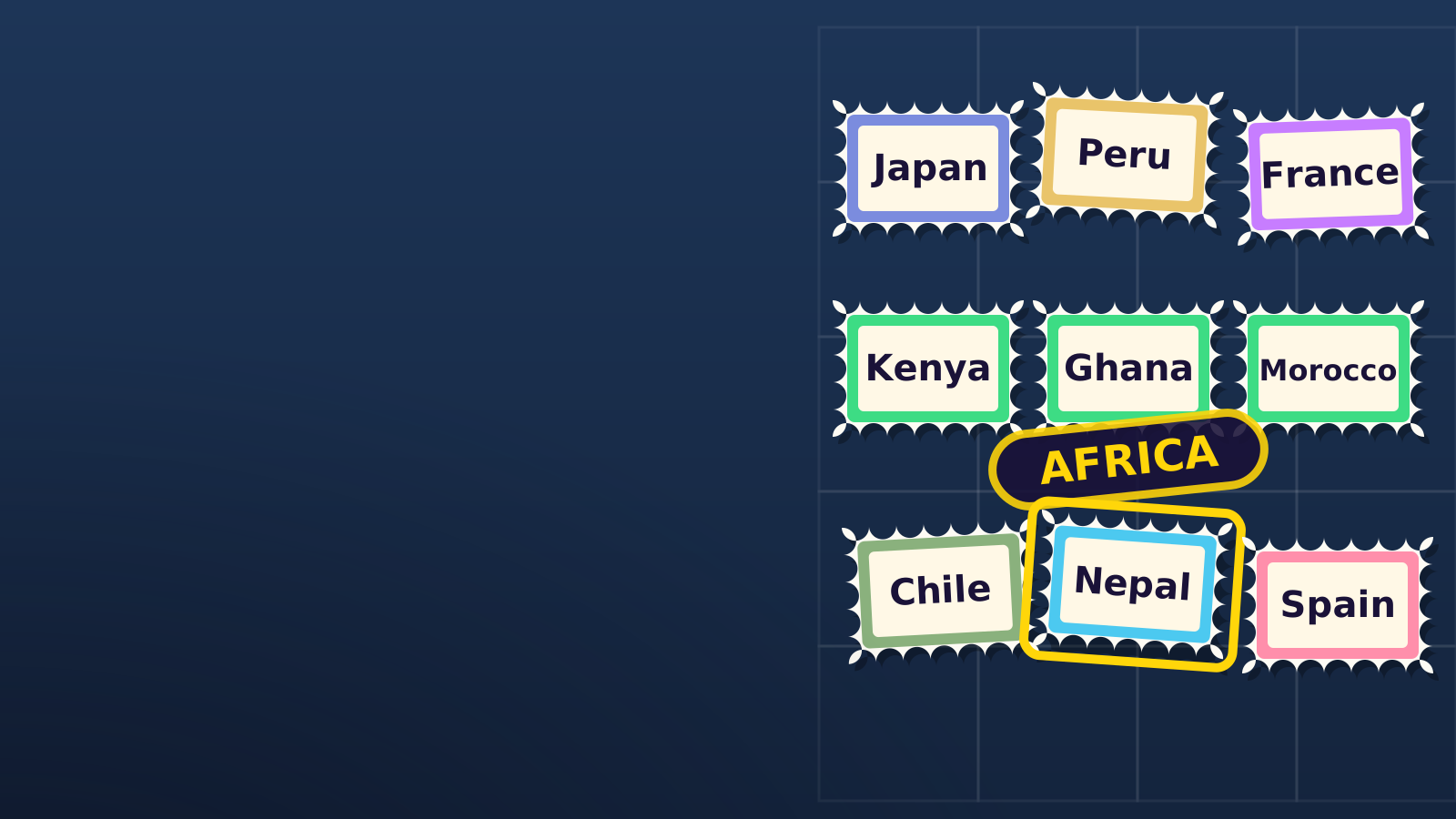
Level 1 groups countries by continent, and level 2 matches cities to their countries, such as Toronto and Montreal in Canada.
Play level 1 of Stamp SwapTimeline Rush · Grades 5–8
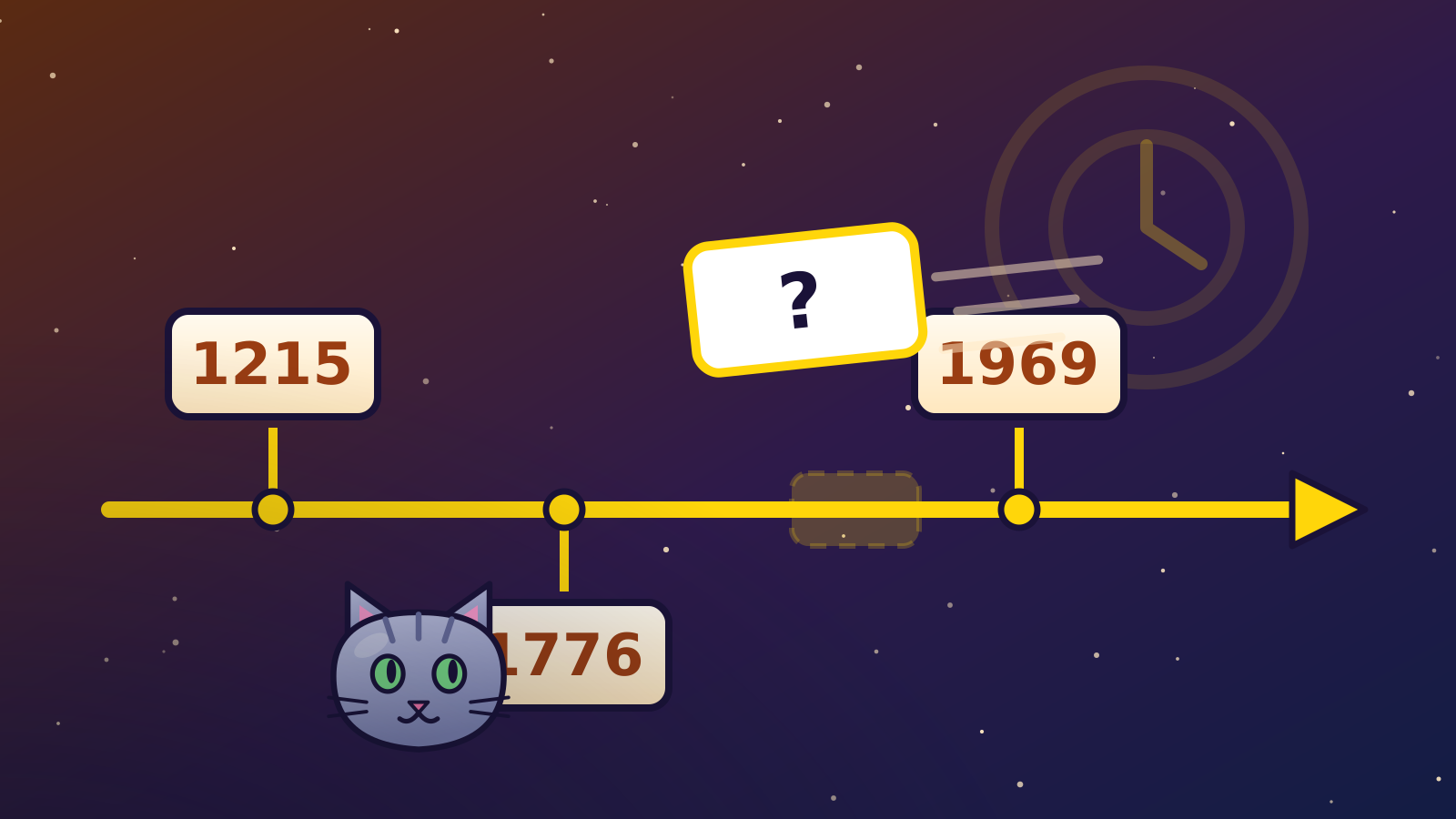
Level 1 puts U.S. history events in order, from Jamestown in 1607 and Plymouth in 1620 to the Declaration of Independence in 1776 and later.
Play level 1 of Timeline RushTime Snake · Grades 4–8
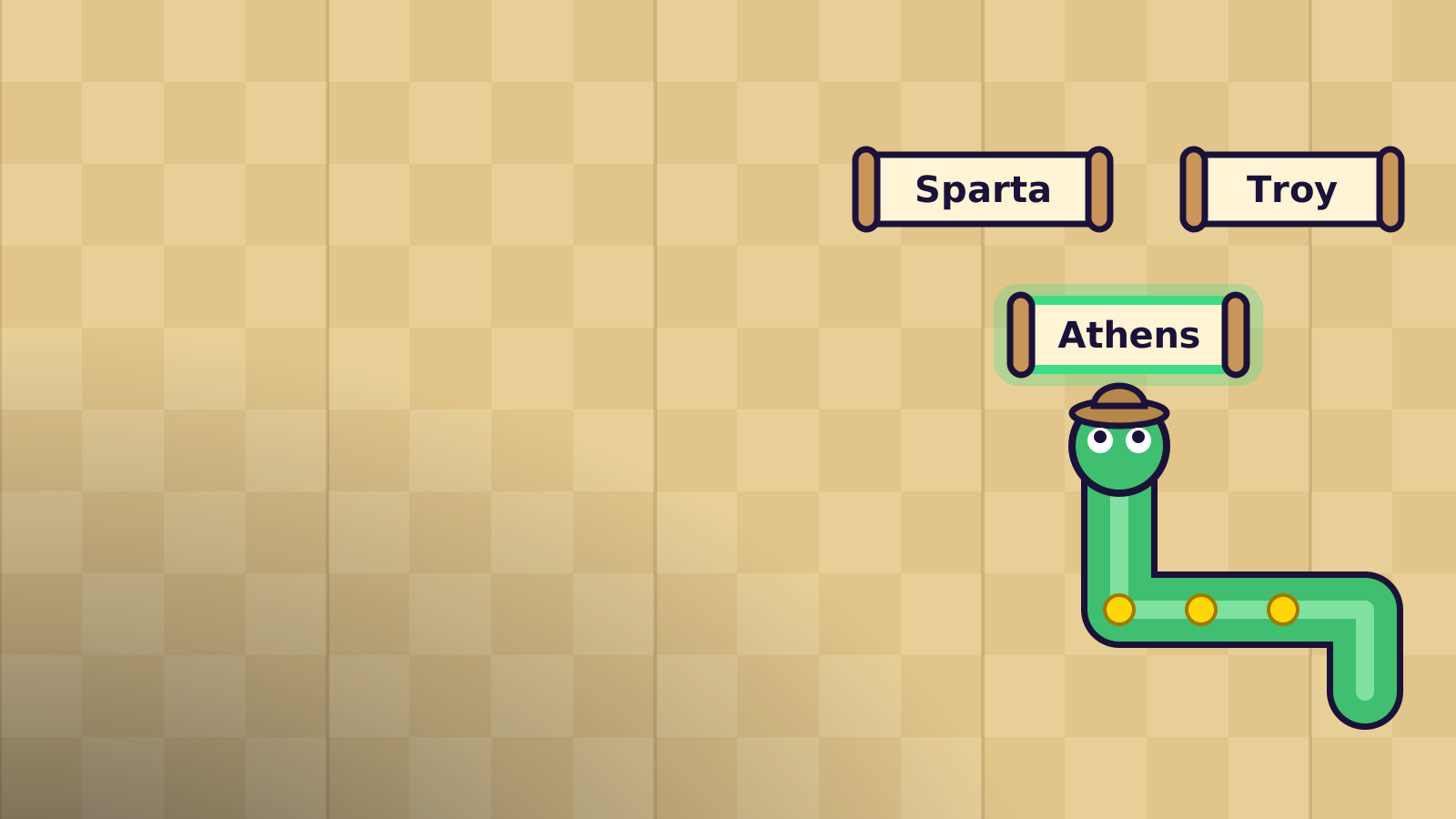
Level 1 is early America. Level 2 is the ancient world, from the Nile and the pyramids of Egypt to Pompeii.
Play level 1 of Time SnakeCivics Pop · Grades 4–8
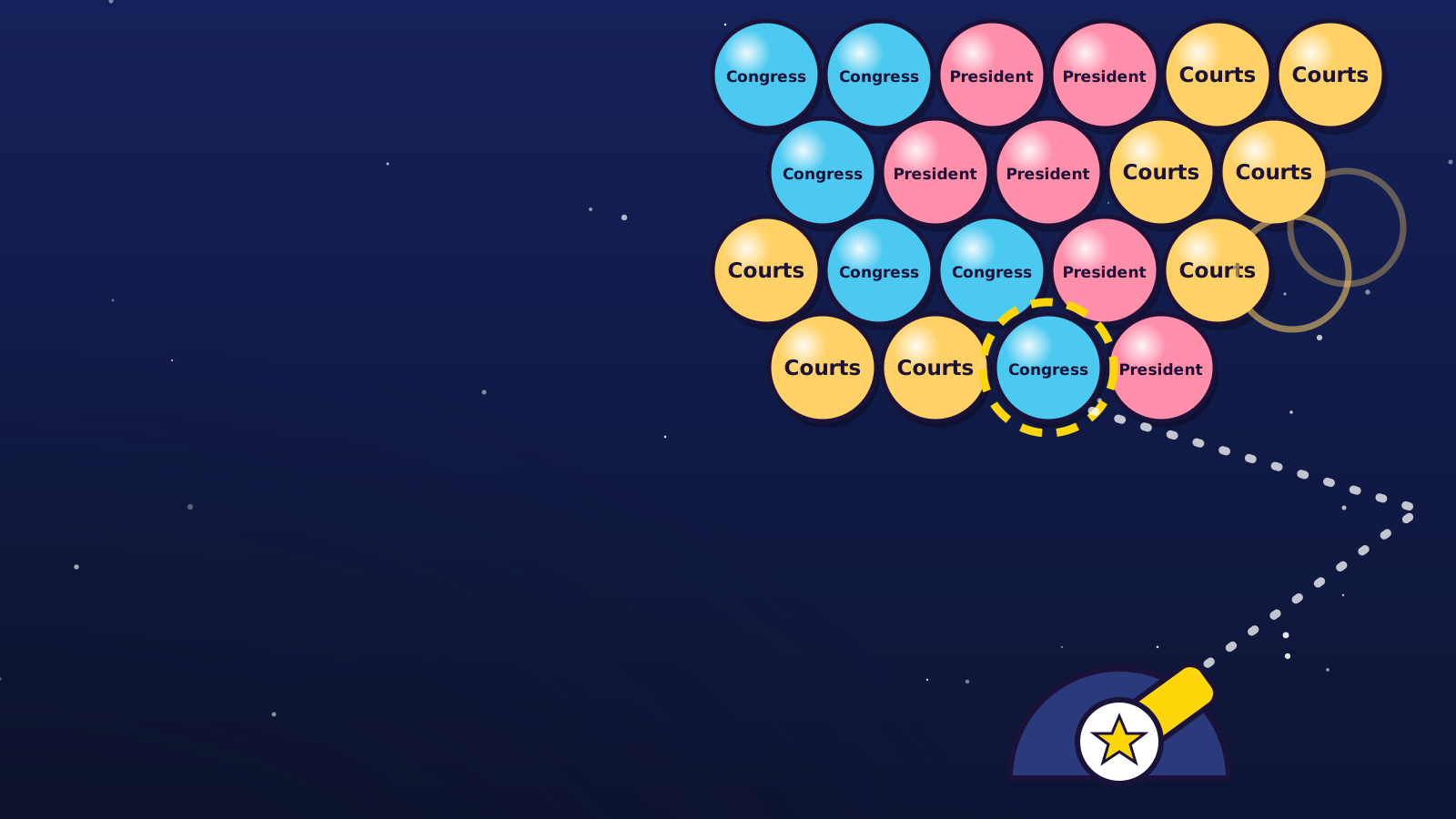
Level 1 is the three branches of the U.S. government. Level 2, Senate, House or both, fits sixth graders.
Play level 1 of Civics PopWord Catcher · Grades 3–7
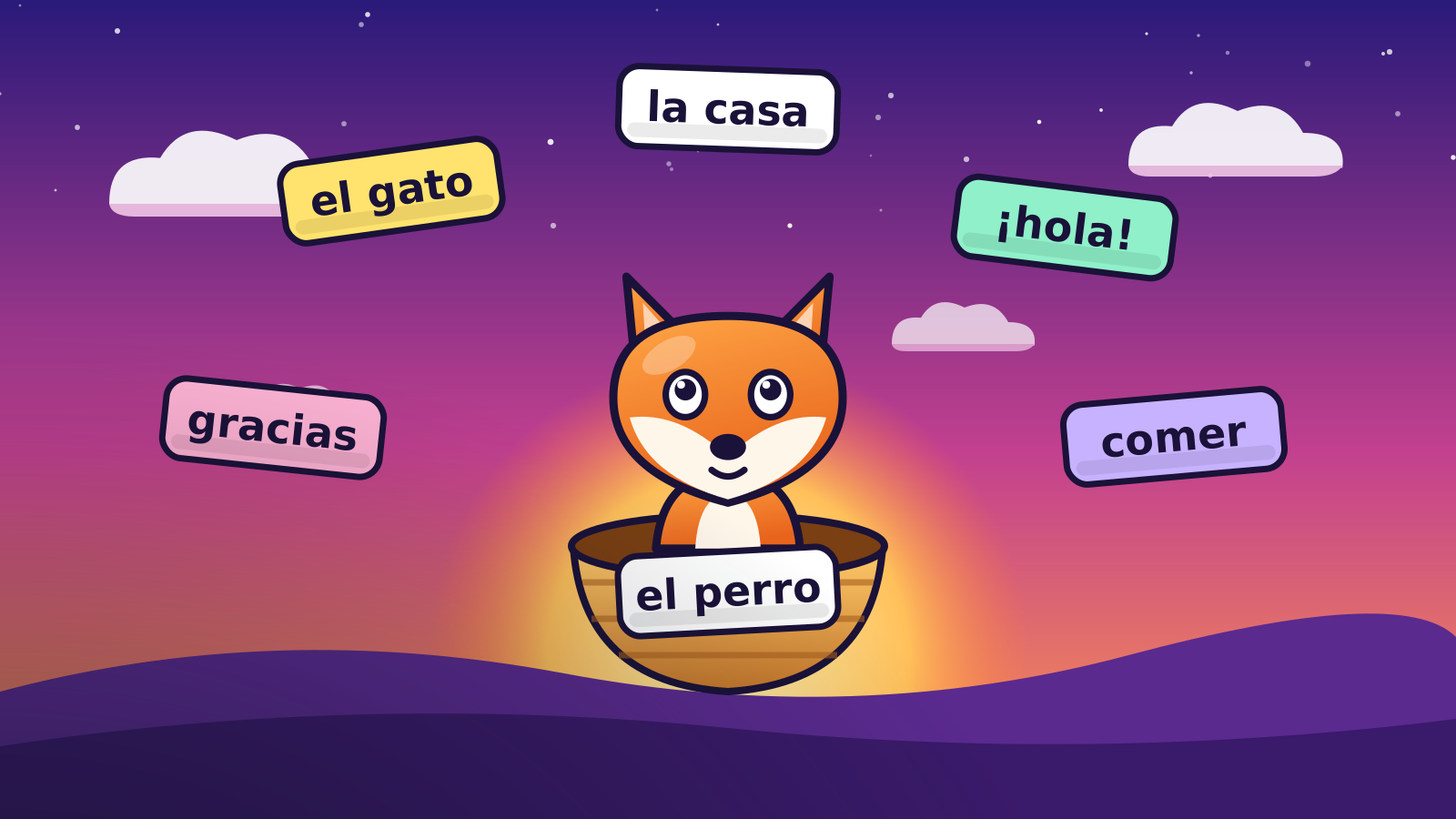
Level 1 is everyday Spanish nouns, level 2 is action verbs like comer (to eat), and level 3 is useful phrases like buenos días.
Play level 1 of Word CatcherWord Catcher: French · Grades 4–8
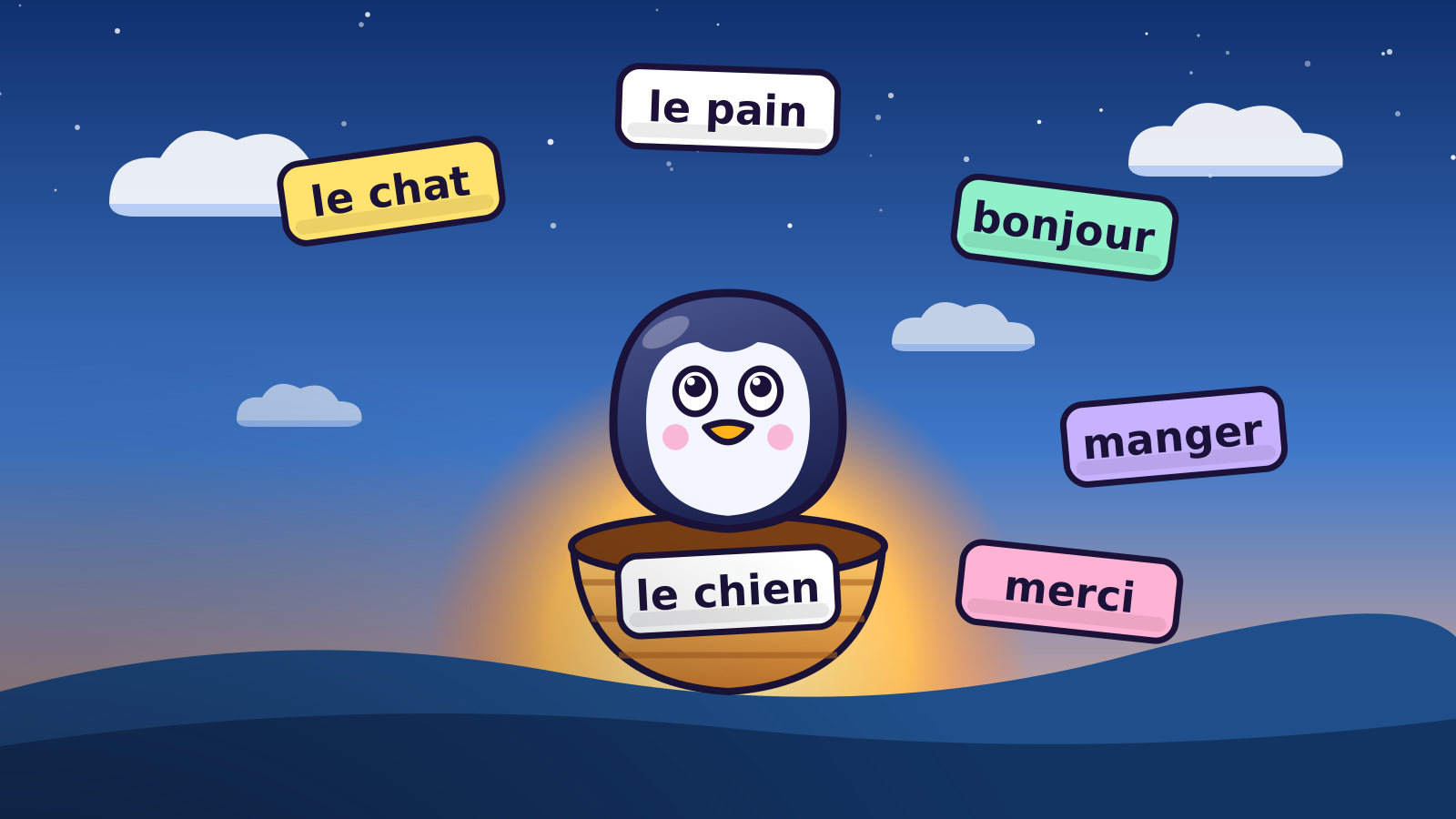
Level 1 is everyday French nouns with le or la, and level 2 is action verbs.
Play level 1 of Word Catcher: French



Free printables
- Printable multiplication chart with blanks (1–12) (2 practice pages and a 1-page answer key, goes with Times Table Dash)
- Winter math worksheets for grades 3 to 7 (3 practice pages, a 10-day plan and a 2-page answer key, goes with Times Table Dash)
- Fractions on a number line worksheet (2 practice pages and a 1-page answer key, goes with Number Line Bounce)
- Parts of speech worksheet: cut-and-sort cards (2 practice pages and a 1-page answer key, goes with Slice of Speech)
- Periodic table worksheet: the first 20 elements (2 practice pages and a 1-page answer key, goes with Element Dash)
- Printable 50 states and capitals checklist (1 practice page and a 1-page answer key, goes with Sky Atlas)
- Three branches of government worksheet (1 practice page and a 1-page answer key, goes with Civics Pop)
Math: from fractions and decimals to the first equations
The biggest change in these two years is that letters start standing for numbers. The Common Core grade 6 standards ask students to solve equations of the form x + p = q and px = q, and to understand negative numbers as positions on the opposite side of 0 on the number line, with absolute value as the distance from 0.
Balance Bridge level 1 is that first kind of equation, drawn as a balance so the rule of doing the same thing to both sides is something kids can see. Number Line Bounce covers decimals and mixed numbers (level 2) and negatives and absolute value (level 3). The multiplication games are here because fluent facts make fraction and decimal work much easier; if your child already knows them cold, skip ahead.
What we don't have yet: a game for ratios and rates, or for adding fractions with unlike denominators. Both are big grade 5 and 6 topics, so plan on other practice for them.
English: sentence parts and word parts
In the Common Core language standards, fifth graders explain what conjunctions, prepositions and interjections do in a sentence, which is exactly Slice of Speech level 3. Both grade 5 and grade 6 ask students to use Greek and Latin affixes and roots as clues to a word's meaning, the skill in Word River level 3: if you know tele- means far, telescope and telephone make sense.
The standards also ask students to learn the academic and subject words they meet in class. Type Rocket is built from those words, like atom, volcano and circumference, so typing practice doubles as vocabulary.
Science: matter, living systems and Earth
NGSS grade 5 includes identifying materials by their properties, such as electrical conductivity, response to magnets and solubility; testing whether mixing substances makes a new substance; and modeling how matter moves among plants, animals, decomposers and the environment. Those three line up closely with Beaker Bop, Sort Storm level 3 (physical or chemical change) and Food Web Builder.
The middle school band includes evidence that living things are made of cells, models of atoms and simple molecules, and the rock cycle. Cell Builder, Element Dash and Rock Stack level 2 are the matching games. Launch Lab and Element Dash also go well past grade 6, up to grade 10, so they can grow with your child.
History and geography
Social studies topics in these grades vary by state and district, so we list games for several common areas. Time Snake level 2 and Timeline Rush cover early civilizations and U.S. history, and Sky Atlas and Stamp Swap cover countries, cities and capitals. In every game a wrong answer shows the right one with a short explanation, and history questions use well-settled dates only.
Fitting practice into a busier week
Homework and activities usually grow in these grades, so short practice matters more. Our suggestions:
- Use one game as a five-minute warm-up before homework in the same subject, not as a reward afterward.
- Before a unit test, play the matching level two or three times over a week rather than once the night before.
- Let your child choose between two games you picked. A little choice goes a long way at this age.
- If your child is learning Spanish or French at school, Word Catcher works well on a phone in the car.
Choosing a level, and for teachers
Each Play button opens the level listed beside the game, and the Choose a level menu inside every game lets your child move up or down. A fifth grader who breezes through Number Line Bounce level 2 can try level 3; a sixth grader who finds Balance Bridge hard may need Math-Man's Castle level 4 first, for its multiply-before-you-add questions like 3 + 2 × 4.
Teachers can put any game on a projector with no student accounts: it plays in a browser, and each game has a pause button and separate music and sound switches. Our suggestion: use Civics Pop or Timeline Rush as a whole-class review, with students voting on each move.
Questions parents and teachers ask
Are the games free and ad-free?
Yes. They play in a web browser with no account, no download and no ads, and nothing in the games can be bought.
Are these too babyish for a sixth grader?
Several games have levels written for middle school: Balance Bridge goes up to grade 9, and Launch Lab and Element Dash go up to grade 10. Our suggestion is to start a sixth grader there.
What if my child is ahead or behind?
Most games have three levels across several grades. A child who needs review can start on the 3rd and 4th grade levels, and one who is ahead can try the 7th and 8th grade page.
Do they work on a Chromebook, tablet or phone?
Yes. They run in a web browser and work with a keyboard, touch or on-screen buttons.
Do the games follow the standards my school uses?
Standards vary by state. The games line up with skills in the Common Core math and language standards and the NGSS for these grades, and we name the matching skills above so you can compare them with your child's class.
Keep exploring
- Learning games for 3rd and 4th grade
- Learning games for 7th and 8th grade
- Math games for grades 3 to 9
- Word games for grades 3 to 8: English, Spanish and French
- Science games for grades 3 to 10
- Geography, history and civics games for grades 4 to 9
- Fraction games for grades 3 to 5
- Integer games for grades 6 and 7
- Grammar games for grades 3 to 6
- Parts of speech games for grades 3 to 6
- Civics games for grades 4 to 8
- Solving equations: a game where the answer has to balance
- Fractions on a number line: a game that makes them land
- Physical and chemical changes: sort them in a storm
- Food web game: who eats whom?
- Parts of a cell: a game where you build one
- The periodic table: a game where you fly through the right element
- A physics game for kids: aim, launch, learn
- History timeline game: put events in order
- Countries of the world quiz: find them on the map
- Flag quiz: guess the flag, then fly there
- Solar system game: hop to the right planet
- Spanish vocabulary game: catch the right word
- French vocabulary game: catch the right word
Sources
Every fact on this page was checked against these sources by a separate fact-checker on November 3, 2026. How we check facts.
- Common Core State Standards: Grade 5 Mathematics introduction
- Common Core State Standards: Grade 6 Mathematics introduction
- Common Core: Grade 6 Expressions and Equations (6.EE.B.7)
- Common Core: Grade 6 The Number System (6.NS.C.5, 6.NS.C.6a, 6.NS.C.7c)
- Common Core: Language, Grade 5 (L.5.1a; L.5.4b Greek and Latin roots)
- Common Core: Language, Grade 6 (L.6.4b roots; L.6.6 academic and domain-specific words)
- NGSS home (middle school listed as grades 6-8)
- NGSS 5-PS1-3: identify materials by their properties
- NGSS 5-PS1-4: does mixing make new substances
- NGSS 5-LS2-1: matter among plants, animals, decomposers and the environment
- NGSS MS-LS1-1: living things are made of cells
- NGSS MS-PS1-1: atomic composition of simple molecules
- NGSS MS-ESS2-1: cycling of Earth's materials (rock cycle)
- Timeline Rush content file (Jamestown 1607, Plymouth 1620, Declaration 1776)
- Times Table Dash content file (levels 4 and 5, bigger facts)